25 Coolest Gifts for Grandchildren in 2026
Introduction Understanding toddler behavior is essential for selecting toys ...

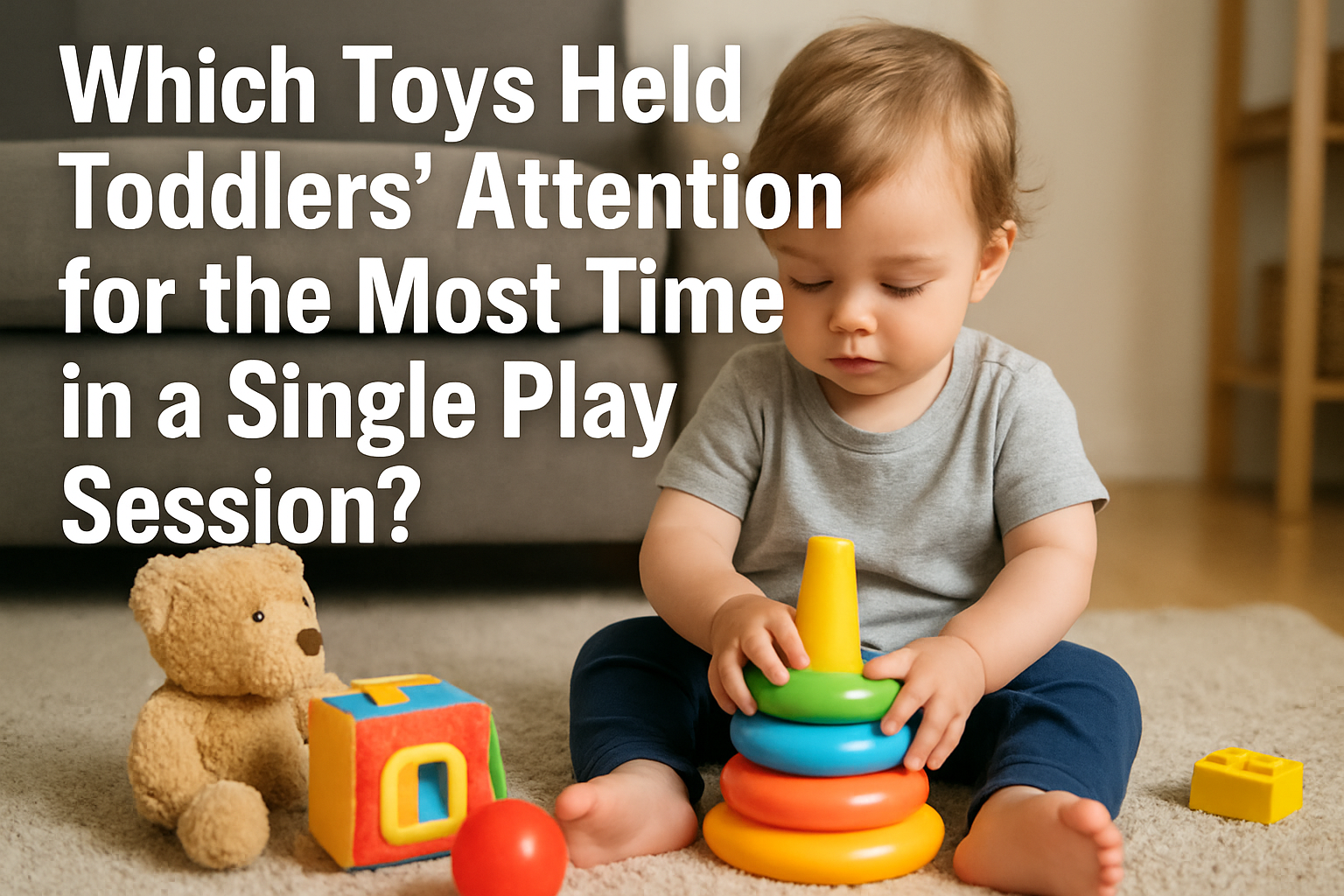

Understanding toddler behavior is essential for selecting toys that can hold their attention during play. Toddlers have a natural curiosity and a need for engagement, which plays a significant role in their development. Fostering an environment filled with engaging toys not only captures their interest but also aids in their cognitive, emotional, and social growth.
For toddlers, engagement is a key factor influencing their attention span. Their ability to focus on a single activity or toy is often short-lived, typically ranging from a few minutes to a maximum of about ten. This variability is influenced by factors such as developmental stages, environmental stimuli, and the nature of the toys themselves. Engaging toys not only hold a toddler's interest for longer periods but also enhance their ability to concentrate, which is essential for learning new skills.
Play serves as a vital avenue for toddlers to explore their environment and develop various abilities. The connection between play and attention spans is significant; as toddlers interact with toys, they are not only entertained but also practicing problem-solving skills and improving their fine and gross motor abilities. This active engagement with play reinforces attention and focus, laying the groundwork for future learning experiences.
Additionally, different types of toys can influence attention spans in unique ways. Toys that allow for multi-faceted exploration, such as those that involve building, stacking, or imaginative role-play, provide toddlers with opportunities to navigate challenges and engage creatively. Therefore, selecting toys that cater to these aspects is vital in supporting their developmental trajectory.
Long play sessions are more than just keeping toddlers occupied—they foster essential development. Engaging toys help toddlers delve deeply into imaginative play, encouraging them to explore scenarios and narratives that they create. Such toys, especially those that are open-ended, allow children to use their imagination freely without constraints. This unstructured playtime supports creativity and problem-solving skills as toddlers learn to navigate play independently.
Open-ended toys, which can be utilized in various ways, provide ample opportunities for toddlers to re-engage with them over time. For example, building blocks can transform into a multitude of structures, sustaining interest as children expand their creations with new ideas. Not only do these toys engage toddlers in the moment, but they also adapt to the child's growth, remaining relevant as their abilities develop.
Moreover, engaging toys encourage independent play, allowing caregivers to interact with toddlers as they observe and join in their explorations. This dynamic enhances the shared experience, fostering positive social interactions while also allowing toddlers to take the lead in their play. In summary, the right toys play a vital role in extending play sessions and enriching toddlers' learning and development.
Engaging children in meaningful activities can significantly boost their cognitive and physical development. Games and structured activities serve not just as entertainment, but as vital tools for learning and skill enhancement. Three prominent categories stand out: board games, puzzle games, and movement games, each offering unique benefits that cater to different aspects of a child's growth.
Board games provide a multifaceted approach to engagement, enhancing strategic thinking and promoting concentration among young players. The nature of these games requires players to plan ahead, anticipate opponents' moves, and make calculated decisions, which sharpens their cognitive skills. Engaging in these thoughtful activities allows children to practice patience and discipline, as they learn to wait for their turn and observe others' strategies.
In addition, board games foster social interaction. Children play together, sharing experiences and learning valuable lessons about cooperation, competition, and problem-solving. This interaction builds a sense of community and teaches them the importance of communication. Examples of popular board games, such as classic memory and strategy games, not only capture the attention of players but also stimulate mental agility and social bonding.
Moreover, the tactile experience of handling physical pieces and rolling dice engages multiple senses, making these games particularly effective in maintaining attention. The combination of strategic thinking and sensory involvement helps children to focus for extended periods. The fun aspect involved in playing board games encourages repeated engagement, leading to better retention of the skills learned during gameplay.
Puzzle games are another excellent category that offers a pathway for engagement while providing clear goals and sensory feedback. These games captivate toddlers' interests longer because they are often interactive and visually stimulating. The structured challenge of fitting pieces together or completing a picture helps nurture problem-solving skills and enhances hand-eye coordination.
Additionally, the rewarding sense of accomplishment from completing a puzzle is significant. It bolsters self-esteem in young children, as they take pride in their ability to solve challenges. Puzzle games often introduce themes such as animals or numbers, which can also aid in reinforcing early learning concepts. For instance, animal sound puzzles not only entertain but also teach toddlers about different animals and their sounds, integrating learning seamlessly into playtime.
Engaging in these types of games can also lead to collaborative play. Children often work together to solve puzzles, building teamwork skills as they communicate and share ideas. This collaborative spirit is integral to social development, making puzzle games both entertaining and educational. The clear visual and auditory feedback from puzzles helps keep children motivated and engaged, making these games a staple for both entertainment and early learning.
Incorporating movement games into children’s playtime serves to intertwine physical activity with cognitive engagement. These activities not only facilitate a break from sedentary behaviors but also help reset focus and energize young minds. Simple walking activities, running games, or playful obstacle courses can enhance motor skills while also encouraging an active lifestyle.
Physical movement is essential for overall health, and engaging in these games contributes to the development of gross motor skills, balance, and coordination. Moreover, movement can significantly affect a child’s cognitive abilities. Regular physical activity has been shown to improve concentration and cognitive function, providing children with the ability to focus better during other learning tasks.
Furthermore, movement games provide ample opportunity for creative expression. Children can invent their own games or modify existing ones, which stimulates imaginative thinking. The fun and dynamic nature of these activities encourages children to exert energy positively, fostering a sense of joy and enthusiasm that can spill over into other areas of their lives. In this way, movement games become not only a tool for physical education but also a vital component of holistic development.
Toys that present clear goals and designated endpoints play a vital role in maintaining children's engagement during playtime. When children know what they are working towards, they are more inclined to become absorbed in the activity. These toys provide a sense of purpose, transforming play from a casual activity to an engaging challenge. By establishing distinct outcomes, these toys allow kids to visualize completion, fostering satisfaction upon achieving their objectives. As they work towards these goals, children are not only entertained but also encouraged to develop resilience and a sense of accomplishment.
The importance of visual completion is evident in how it influences a child's persistence during play. For instance, when a toy has identifiable tasks, such as building a structure or completing a puzzle, children can see their progress and understand how far they have come towards achieving their goal. This improvement in visibility also fosters a growth mindset, as children learn that continued effort leads to success. The act of striving for a complete and tangible outcome prompts them to try harder, even when faced with obstacles. In this way, toys that provide clear goals are not just playthings; they are valuable educational tools that help nurture skills such as problem-solving, critical thinking, and patience.
Effective strategy games are another category of toys that exemplify the characteristics of clear goals. These games are designed to be easy to pause and resume, making them adaptable to a child’s schedule and attention span. This flexibility encourages children to think strategically and plan their next moves without the pressure of time constraints. For example, toys incorporating letters and numbers allow children to develop foundational literacy and numeracy skills while engaging in a fun, game-like format. By integrating educational elements into interactive play, these strategy-based toys hold the potential to keep children engaged for longer periods, reinforcing learning without them even realizing it.
Moreover, the dynamic nature of effective strategy games often leads to repeated engagement. When children play these games, they can experiment with different strategies and learn from their experiences, both successes and failures. This recursive learning enhances their understanding and skills over time. In essence, toys with clear and achievable objectives stimulate cognitive development while ensuring that play remains enjoyable and informative. The combination of visual completion with strategic thinking creates an enriching environment where children thrive and develop critical life skills in the process.
Interactive and sensory toys play a pivotal role in the development of children's cognitive and motor skills. These toys not only captivate a child’s attention but also engage their senses through innovative designs and functionalities. Among the most popular options are fidget toys, which have garnered considerable attention for their ability to support children with varying needs. These toys serve as an excellent tool for providing sensory input, which can be calming and grounding. With textured surfaces and various tactile elements, fidget toys invite children to explore the different sensations that can help them better express their emotions.
Fidget toys help ensure that kids stay focused by maintaining their hands occupied. By encouraging movement and interaction, these toys can alleviate anxiety and promote concentration during tasks that might otherwise be overwhelming. The act of fidgeting with a tactile toy can also keep a child engaged while in a classroom setting, making learning more dynamic. Additionally, they provide a safe outlet for restless energy, which can lead to improved attention span and overall productivity. As children experiment with different fidget items, they also learn to self-regulate, improving their emotional well-being and social interactions.
Another category of interactive toys gaining traction are building blocks and sorting toys. These toys are designed to engage toddlers visually and tactilely, making playtime both educational and fun. The vibrant colors and various shapes of building blocks stimulate a child's visual senses, while the physical act of stacking and sorting encourages the development of fine motor skills. As toddlers manipulate different pieces, they not only explore their surroundings but also enhance their problem-solving abilities. The process of fitting blocks together or sorting by color shapes a child's understanding of spatial relationships and promotes critical thinking.
Varied textures in building blocks and sorting toys further promote attention. Many designs incorporate unique materials that invite exploration and curiosity. When children touch, feel, and experiment with these different textures, they receive multi-sensory information that is essential for their brain development. This range of sensory input keeps toddlers engaged, allowing for sustained periods of play. Moreover, this type of play encourages collaborative experiences, as toddlers often engage with peers or caregivers while building or sorting. Such interactions foster social skills and enhance their learning through shared experiences. Overall, interactive and sensory toys are indispensable in fostering various aspects of a child's development, laying the groundwork for future learning and relational skills.
Stories serve as a gateway to imagination for toddlers, transforming simple moments into adventures filled with colors, characters, and emotions. The importance of selecting the right stories and illustrations cannot be overstated. Engaging narratives captivate young minds, fostering not only a love for reading but also stimulating cognitive development. Vivid illustrations provide visual stimulation, enhancing the storytelling experience. These images can evoke emotions, inspire creativity, and support language acquisition as toddlers associate words with pictures.
Effective storytelling goes beyond merely reading words on a page; it invites toddlers into a world of imagination where they can explore various themes and ideas. When parents or caregivers read stories that resonate with young learners, they enhance retention and understanding. Additionally, lively character voices or sound effects during readings keep toddlers engaged, making the experience both educational and fun. This interaction lays the foundation for improved listening skills and concentration, which are essential for their overall development.
Engaging children in discussions about the stories they hear further enriches their learning experience. After a reading session, asking open-ended questions can encourage toddlers to reflect on the narrative and express their thoughts. Questions such as, 'What do you think will happen next?' or 'How did that character feel?' promote critical thinking and emotional intelligence. This dialogue not only reinforces comprehension but also empowers children to articulate their opinions and feelings. Furthermore, discussing illustrations can help toddlers understand visual storytelling, enabling them to create meaning from images and broaden their analytical skills.
By fostering a love for reading and encouraging dialogue, caregivers can immerse toddlers in an enriching experience that promotes both literacy and social-emotional development. The art of storytelling, coupled with engaging interactions, nurtures their curiosity and enhances their imaginative skills, laying a solid foundation for future educational endeavors.
Open-ended toys are versatile playthings that can be used in countless ways, making them particularly advantageous for children. Unlike toys with a single purpose, open-ended toys allow children to explore their creativity and imagination. These toys invite children to come up with their own narratives, experiment with different configurations, and engage in storytelling. This kind of play fosters critical thinking, as children envision various scenarios and outcomes. The flexibility inherent in open-ended toys means that they can be continuously engaging, often leading to extended play sessions.
Examples of open-ended toys include magnetic tiles, building bricks, and realistic toy animals. Magnetic tiles, for instance, can be combined to create anything from simple shapes to intricate structures, allowing children to express their artistic and engineering skills. Building bricks offer similar opportunities, enabling youngsters to build their dream worlds or replicate real-life objects. Realistic toy animals can serve as a springboard for imaginative play, prompting children to create stories around animal habitats or adventures. This variety not only keeps children engaged for longer periods but also promotes social play when shared with peers.
Encouraging children to engage with open-ended toys supports their developmental growth. As they manipulate these toys, they develop fine motor skills and spatial awareness. Moreover, open-ended toys can instill confidence as children see their creations come to life. In essence, these toys serve as a foundation for rich, imaginative play and help children cultivate a love for exploration and learning that can last a lifetime.
Choosing developmentally appropriate toys is key to fostering long play sessions while ensuring safety for toddlers. These toys are designed to align with the developmental stages and interests of children, providing the right balance between challenge and engagement. For instance, toddlers benefit from toys that encourage imagination and problem-solving, as these activities stimulate cognitive growth and improve their mental capabilities.
A great characteristic of developmentally appropriate toys is their ability to grow with the child. Toys that allow for various types of play can engage children for longer periods and accommodate their evolving skills. For example, a toy that promotes building or stacking can start as a simple activity and evolve into more complex construction as the child grows. This adaptability keeps children interested in the same toys over time, reinforcing their creative thinking and engagement.
Safety is another critical factor in selecting developmentally appropriate toys. Toys should be constructed from non-toxic materials and designed with safety features tailored for young children. Parents can ensure peace of mind, knowing that their child can explore and engage with these toys without unnecessary risks. This combination of safety, adaptability, and promotion of key developmental skills ensures that children remain engaged in play, leading to longer and more fulfilling play sessions.
Play serves as a fundamental mode of learning for toddlers, underpinning their cognitive, emotional, and social development. Through engaging in various play activities, toddlers learn about the world around them, practice new skills, and develop their imagination. The duration of playtime can significantly impact the learning outcomes for children, as prolonged periods of play often allow for deeper exploration and understanding of different concepts. As toddlers engage in play, they experiment with different roles, rules, and scenarios, paving the way for cognitive growth and emotional resilience.
Structured play, which is often organized by adults with specific objectives, contrasts with unstructured play, where children explore freely with minimal guidance. While both types of play hold intrinsic value, the duration devoted to each can lead to varying developmental benefits. Structured play may limit the spontaneity that is essential for creativity, whereas unstructured play encourages toddlers to think independently and solve problems in novel ways. The flexibility of unstructured play often leads to longer, more immersive experiences that can adapt to a child's interests and needs, thereby amplifying the benefits of play duration.
Moreover, research emphasizes how an optimal balance between structured and unstructured play can enhance developmental outcomes. For instance, children who are given ample time to engage in both types of play tend to show increased social skills and emotional well-being. Through prolonged engagement, toddlers learn to navigate social situations, cooperate with peers, and develop empathy. As they interact with others during play, they learn to take turns, share, and communicate effectively—skills that are vital for their future interactions. Therefore, understanding the influence of play duration becomes paramount in fostering an environment that supports holistic development in toddlers. By creating opportunities for extended play, parents and caregivers can significantly contribute to their child's growth and learning.
Play serves as a vital catalyst for cognitive development in children, contributing significantly to the enhancement of brain development. Engaging in diverse play activities stimulates the brain, promoting the formation of neural connections and pathways. This interaction is crucial for critical thinking skills, as children learn to navigate challenges and problem-solve within creative contexts. Through imaginative play, children explore different scenarios and outcomes, which further enriches their cognitive processing abilities. By providing opportunities for exploration and experimentation, play effectively nurtures a child's inbuilt curiosity about the world around them.
Additionally, play fosters curiosity and problem-solving skills, essential components of cognitive growth. When children play, they often encounter obstacles that require innovative thinking to overcome. This hands-on experience helps them develop analytical skills as they assess various solutions. For instance, building with blocks or playing with puzzles encourages spatial reasoning, while role-play scenarios enhance their ability to strategize and think ahead. Such experiences prepare children for future academic endeavors by instilling a love for learning and shaping their ability to apply knowledge creatively across different domains.
The influence of play duration on cognitive development cannot be overstated. Extended periods of play allow for deeper engagement, enabling children to immerse themselves in learning experiences. During prolonged play sessions, they gain the opportunity to think critically, make decisions, and learn from their mistakes, which reinforces their cognitive development. The ability to focus and sustain attention during these times also correlates with improved academic performance in school settings. As play duration increases, so does the potential for these cognitive benefits, underscoring the importance of allowing ample time for play in children’s daily routines.
Play is instrumental in fostering physical development, as it significantly contributes to the development of motor skills and coordination. Engaging in active play allows children to practice and refine their gross motor skills, such as running, jumping, and climbing, which are vital for their overall physical health. These activities enhance muscle strength, improve balance, and increase agility, all of which are foundational for more complex physical tasks as children grow. Additionally, fine motor skills are also cultivated during play activities such as drawing, building, or manipulating toys, laying a strong groundwork for later tasks that require hand-eye coordination.
Moreover, it is essential to recognize the importance of play for physical readiness. Through various forms of play, children learn how to navigate their bodies in space, develop stamina, and understand their physical capabilities. This readiness is not only about excelling in sports or physical education; it also correlates with the ability to engage in other activities throughout life that require physical exertion. The repetitiveness and fun aspects of play encourage children to be more active, establishing an early preference for a physically active lifestyle that can lead to better health outcomes in adulthood.
Furthermore, the duration of play impacts physical development significantly. Longer play sessions provide more opportunities for children to engage in different activities that challenge their physical abilities. This extended engagement is linked to improved fitness levels, reduced risk of obesity, and better overall health outcomes as children learn to appreciate physical exertion. Ensuring that children have ample time for playful activities can foster lifelong habits of physical activity, thereby contributing to their long-term health and well-being.
Through play interactions, children learn essential social skills, which significantly contribute to their social and emotional development. During play, they engage with peers, negotiate roles, and establish rules, all of which enhance their understanding of cooperation and teamwork. These experiences foster vital communication and interpersonal skills, enabling children to express their feelings effectively and empathize with others. Furthermore, participating in group activities encourages conflict resolution, allowing children to navigate disagreements and learn the value of compromise—skills that are crucial in their interpersonal relationships as they grow.
Building self-esteem and resilience is another key outcome of playful interactions. When children participate in play, they experience success and failure in a safe environment, which provides them with a platform to build confidence in their abilities. Successfully completing a task or overcoming a challenge during play can enhance a child's self-worth and motivation. On the other hand, encountering obstacles teaches them to persist, adapt, and develop resilience, important traits necessary for facing real-life challenges. These emotional responses and coping strategies learned through play can significantly influence how children handle stress, setbacks, and social pressures in their daily lives.
Additionally, the duration of play impacts social and emotional growth remarkably. Longer play periods facilitate deeper relationships with peers and allow children to experience a range of emotions, including joy, frustration, and pride. This extended interaction can promote emotional regulation as children learn to manage their feelings in various scenarios. The ability to endure and thrive in social situations increases with the time spent in play, demonstrating that more extended periods of playful engagement can lead to richer social experiences and emotional maturity.
Play is a powerful tool for encouraging communication skills among children, significantly affecting their language development. Engaging in play scenarios offers opportunities for dialogue, vocabulary enhancement, and language acquisition. As children interact with peers during role-play or structured games, they practice articulating their thoughts and feelings, learning to convey ideas effectively. This process of verbal communication is fundamental for language mastery, as it helps children understand the nuances of conversation, including taking turns, listening, and responding appropriately.
The impact of play on language acquisition is particularly evident in collaborative play activities where dialogue is essential. By imitating others, children learn new words and phrases, enriching their language reservoir. Imaginative play, which often involves storytelling or pretending, also promotes narrative skills as children learn to construct and share their experiences verbally. This storytelling aspect not only enhances their vocabulary but also encourages imaginative thinking, creativity, and complex sentence construction, all pivotal for academic success later.
Furthermore, the duration of play can significantly influence language development. Longer play sessions provide ample opportunities for children to engage in conversation, expanding their language exposure and proficiency. The more time children spend playing, the more they are likely to experiment with new language forms and communication styles. Additionally, extended interactions with peers enable them to practice their listening skills and learn from the language use of others within a supportive environment, fostering greater language development and understanding. As play duration increases, so does the potential for language enrichment, emphasizing the need for ample unstructured playtime in children’s daily routines.
Creative and imaginative toys have a profound effect on how long children engage in play. These types of toys typically encourage free play and allow children to express themselves. When children utilize toys that spark their imagination, they often lose track of time as they immerse themselves in their activities. Toys designed for creativity, such as building sets or art supplies, provide a canvas for self-expression and exploration, promoting longer play sessions. The engaging nature of these toys fosters deeper cognitive and emotional interactions, as children invent scenarios and narratives, making the playtime more fulfilling.
Examples of such toys include building blocks, which inspire kids to create structures limited only by their imagination. Similarly, art supplies allow children to explore colors, shapes, and textures, enhancing their creative thinking. Engaging with these toys also enriches their skills in problem-solving and critical thinking, as they navigate challenges and devise new ways to use materials. Children can synthetically experiment with various components, transforming simple materials into a multitude of creations. This multifaceted engagement extends the duration of play significantly, as the intrinsic motivation to explore keeps children focused and entertained.
Furthermore, the open-ended nature of creative toys means there are no definitive endpoints. Unlike toys with specific functions or objectives, imaginative play shifts dynamically based on the child’s ideas and interests. As a result, children can return to such toys time and again, each session yielding a new experience. Sustaining play over longer periods is often linked to the emotional and cognitive investment children make, driven by their desire to create, explore, and enjoy the fruits of their imagination.
In contrast to imaginative toys, structured toys feature predefined paths or purposes, which can significantly affect engagement levels and play duration. These toys often guide the way in which they are used and can limit the scope of play, leading to shorter interactions. Children may initially enjoy the challenge and excitement of structured toys; however, as they quickly realize the limitations of these toys, their interest may wane, resulting in diminished play duration. The finite structure can confine creativity and reduce the potential for deeper engagement, as children often exhaust the possibilities faster compared to more open-ended items.
Moreover, structured toys can lead to frustration if children struggle to achieve the desired outcome. In these scenarios, the pressure to follow predefined rules or instructions can detract from the enjoyment of play. Eventually, rather than fostering prolonged engagement, these toys might cause a child to turn away in search of something more engaging. This limitation places a critical emphasis on providing play items that allow children the freedom to explore while also presenting challenges that encourage sustained interaction.
Transitioning between different types of toys can be beneficial. For instance, after engaging with a structured toy, children might unveil new ideas or inspiration, leading them to creative play. Incorporating both toy types into playtime can help balance focused engagement while also allowing for bursts of imaginative exploration. This blend can enhance overall playtime and encourage children to extend their duration of engagement across various activities, supporting both structured learning and imaginative development.
Selecting appropriate toys for toddlers is vital for their growth and development. During early childhood, children explore the world around them and enhance their cognitive, emotional, and social skills through play. Toys serve as vital tools that not only engage toddlers but also promote developmental milestones. When considering the most popular toys for toddlers in 2026, it’s essential for caregivers to focus on options that foster creativity, critical thinking, and motor skills while ensuring safety. Choosing well-designed toys geared toward these educational aspects can significantly impact a child's learning trajectory, making playtime both enjoyable and enriching.
In 2026, several types of toys are making waves in toddler playrooms. These toys are specifically designed to spark interest and encourage interactive learning. For instance, interactive learning books are becoming increasingly popular. They blend colorful imagery with engaging narratives, promoting language development and imaginative play. Such books often feature textures, sounds, or activities that invite toddlers to explore, stimulating their senses and curiosity. Additionally, lightweight ride-on toys are appealing due to their capacity to enhance physical coordination. These toys encourage toddlers to move, promoting balance and gross motor skills in a fun manner.
Counting and matching games also stand out in 2026 as essential tools for cognitive development. These games introduce basic math concepts through playful activities, encouraging toddlers to recognize numbers and shapes while developing problem-solving skills. Similarly, stackers are a popular choice, as they support fine motor skills and hand-eye coordination. As toddlers fit pieces together and balance them, they learn about spatial relationships and improve dexterity. Finally, audio players designed for creativity are on the rise, allowing children to explore sounds and music while enhancing their auditory skills. These diverse options highlight how toy trends in 2026 prioritize educational play, ensuring that fun and learning go hand in hand during these formative years.
Understanding toddler toy preferences is a complex interplay of biological and social factors. Research indicates that children as young as 12 months start expressing distinct preferences for certain types of toys based on these influences. Biological factors often stem from innate tendencies that arise from hormonal differences, while social factors encompass the environment in which toddlers are raised, including parental influences and cultural norms. These elements work together to shape what toddlers gravitate towards, impacting not only their play experiences but also their overall development.
This nuanced understanding of preferences helps caregivers choose toys that effectively engage their toddlers, supporting emotional and cognitive growth. When parents recognize these trends, they can provide varied experiences that promote exploration, creativity, and skills development in their children. The importance of toy selection becomes evident when considering how these preferences highlight individual differences, particularly in gender and cross-gender toy interests.
Prenatal testosterone levels appear to significantly influence boys' and girls' toy preferences. Studies indicate that higher levels of this hormone may lead to increased interest in toys that encourage physical activity and spatial skills, such as vehicles and building blocks, which are commonly preferred by boys. On the other hand, girls often show a preference for dolls and nurturing play, which align with traditional gender roles. These distinctions manifest across various cultures, indicating that while biological factors play a critical role, societal expectations also contribute to the shaping of toy preferences.
Interestingly, the observation of toy preferences shows considerable overlap influenced by cultural contexts. In some societies, girls are encouraged to participate in active, role-playing types of play, blurring the lines typically drawn between gendered toy categories. This cross-cultural comparison illustrates that while there are inherent tendencies, societal structures can lead to varied responses, allowing both genders to explore a broader range of toys. It highlights the potential for change in these preferences when cultural norms are challenged, further emphasizing the importance of fostering an inclusive play environment for children.
Despite the established patterns related to gender, individual variation prevails. Some boys may show strong interest in traditionally feminine toys while girls may prefer 'masculine' toys. Understanding these nuances can help caregivers provide children with the space to explore their interests further without being confined to gender stereotypes. Emphasizing engagement and interest over conformity supports a richer, more fulfilling play experience.
Gender-related preferences significantly impact engagement levels during free play. Toys that align with a child's interests tend to capture their attention more effectively, enhancing their involvement in play activities. For instance, when boys play with action figures or competitive games, they often exhibit higher engagement levels, infusing social interactions with elements of competition and rule-based play. Conversely, girls may find greater enjoyment in cooperative play settings and imaginative scenarios, where nurturing and social bonds become central themes.
Moreover, it's crucial to acknowledge that many children exhibit cross-gender toy interests, which can enrich their play experiences. This phenomenon highlights an essential aspect of play; children benefit from engaging with a variety of toys beyond traditional gender boundaries. Such explorations can lead to greater creativity and problem-solving skills, as diverse experiences allow toddlers to develop a broader understanding of the world around them. Encouraging exploration of different types of toys can facilitate skill-building that transcends gender-focused experiences.
Attention to cross-gender interests not only nurtures diversity in playstyles among children but also promotes acceptance and understanding of different interests as they grow. By supporting a wide range of toy types, caregivers can foster environments where children confidently express their individual preferences, ultimately leading to well-rounded development. This approach cultivates resilience in children, enabling them to navigate social dynamics and engage with peers from various backgrounds.
Engaging toys play a vital role in enhancing a toddler's attention span. These toys are designed to capture a young child's curiosity, encouraging them to explore and interact actively. Effective toys often possess bright colors, intriguing shapes, and various textures that stimulate a toddler's senses. For instance, building blocks promote creativity and problem-solving skills, as toddlers can experiment with balance and structure. Additionally, toys that involve sorting or stacking challenge their cognitive abilities, keeping them focused for longer periods.
Furthermore, community discussions highlight the importance of interactive toys that invite participation from both children and caregivers. Toys that require movement, such as push-and-pull toys, not only engage toddlers physically but also encourage them to explore their environment. Shape sorters, musical instruments, and simple puzzles are excellent examples of toys that facilitate active play and interaction. These toys not only capture attention but also promote social interactions, as they encourage cooperative play among peers or with family members.
Moreover, parents and caregivers share that toys that incorporate educational elements tend to hold toddlers' attention more effectively. Toys that teach numbers, letters, or colors in fun and engaging ways not only maintain interest but also support early learning. Many parents have observed that toys that adapt to a child's developmental stage can significantly enhance their focus. These types of toys offer escalating challenges, keeping a child engaged as they grow and learn, further extending their playtime and concentration. By fostering an environment rich in stimulating toys, caregivers can effectively nurture sustained attention and developmental growth in toddlers.
Choosing the right toys for toddlers can significantly impact their development and play experience. It is essential to consider certain key criteria when selecting engaging toys. This ensures that the toys not only capture their interest but also provide opportunities for growth and learning.
One of the most important criteria when selecting toys for toddlers is to choose open-ended toys. Open-ended toys offer endless possibilities for play, allowing children to use their creativity and imagination. Unlike toys with a single purpose or function, open-ended options encourage toddlers to explore various scenarios and outcomes. For instance, blocks can be used to build towers, houses, or even imaginary environments. This flexibility nurtures problem-solving skills as toddlers learn to navigate challenges inherent in their creations, promoting cognitive development.
Additionally, it is vital to select toys that promote exploration and problem-solving. Toys that encourage children to experiment with different methods of play help to develop critical thinking skills. Activities such as nesting dolls, puzzling shapes, or interactive building sets invite toddlers to engage in trial and error, facilitating cognitive resilience. Through exploration, they learn to assess possibilities, which fosters a sense of curiosity and an understanding of cause-effect relationships. Ultimately, this type of engagement reinforces their ability to adapt and innovate when faced with new challenges.
Moreover, looking for imaginative play opportunities is key when selecting toys. Imaginative play, often referred to as pretend play, is crucial in toddler development. It supports social skills and emotional growth as children mimic real-life situations or invent fantastical scenarios. Toys that enable role-playing—such as play kitchens, doctor kits, or figurines—allow toddlers to express themselves and practice navigating social interactions. Through these activities, they enhance their communication skills, empathy, and understanding of the world around them. The right toys not only entertain but also serve as tools for learning important life skills.
In summary, when selecting engaging toys for toddlers, consider open-ended options that allow for creativity, toys that promote exploration and problem-solving, and those that offer imaginative play opportunities. These criteria can help ensure that the playtime experiences integrate fun with vital developmental benefits, paving the way for a well-rounded growth journey.
In the realm of toddler toy design, there is a pronounced shift towards creating organized play environments rather than focusing exclusively on individual toys. This transition reflects a recognition that children benefit more from social and collaborative experiences during playtime. Organized play settings foster interaction, encouraging toddlers to engage with both peers and their surroundings. This approach not only amplifies the joy of play but also facilitates essential developmental skills, such as communication and teamwork.
Furthermore, there is an increasing emphasis on toys designed to support physical stability. As toddlers grow, they require not just entertainment but also tools that promote their physical development. Toys that enhance stability allow little ones to explore their physical capabilities safely. These designs are often integrated into play structures and activity centers, encouraging toddlers to push their limits while fostering a healthy approach to movement.
The trend in toddler toy design is progressively moving away from passive entertainment towards toys that emphasize movement and activity. This shift is fundamentally about encouraging toddlers to interact with toys that promote physical engagement rather than just visual stimulation. The integration of supportive structures—such as climbing frames, balance beams, and interactive environments—allows toddlers to develop their gross motor skills while having fun. These toys inspire imaginative play and help build confidence in movement, thereby supporting a child's overall developmental journey.
Moreover, multi-use toys that serve various purposes are becoming increasingly popular. These items can adapt to different play scenarios, encouraging children to experiment and engage in physical activities like climbing, balancing, and jumping. This versatility is vital as it meets the diverse and evolving needs of toddlers as they grow. By catering to their inclination to explore and learn, these supportive toys provide a well-rounded play experience that nurtures both their physical and cognitive development.
Additionally, the design of these toys often embraces safety features, ensuring that toddlers can engage with them without risk. Materials used in these toys are typically non-toxic and durable, designed to withstand the energetic play of young children. As toddler safety continues to be a priority for parents, toys that are thoughtfully designed with physical stability and safety in mind will undoubtedly thrive in the market.
Another emerging trend in toddler toy design is the emphasis on open-ended toys that encourage creativity. These toys are intentionally designed without predefined outcomes, allowing children the freedom to explore, imagine, and create. By providing opportunities for self-directed play, these toys stimulate cognitive development and foster problem-solving skills. The lack of structure enables toddlers to engage in imaginative scenarios, making playtime more dynamic and enriching.
In parallel, there has been a notable rise in STEM (Science, Technology, Engineering, and Mathematics) focused toys tailored for toddlers. These toys are incorporated into the fabric of play to spark early interest in scientific concepts, logical reasoning, and analytical skills. Whether through building blocks, puzzles, or basic coding tools, STEM toys promote inquisitive minds by encouraging children to experiment and learn through doing. The integration of these principles draws children into a playful learning environment where they can grasp fundamental concepts through hands-on experiences.
The combined focus on open-ended and STEM toys serves to create a holistic learning atmosphere for toddlers. By engaging in both creative play and foundational science concepts, children develop a versatile skill set that prepares them for deeper learning in the future. Consequently, the toy industry's commitment to innovation reflects a broader understanding of childhood development, ensuring that toddlers are equipped with the resources they need to thrive. As trends continue to evolve, the emphasis will remain on creating engaging, multi-faceted experiences that support the developmental stages of young children.
Playing is not simply a way for children to fill their time; it is a fundamental aspect of their development. To understand the developmental milestones that children experience, it is essential to recognize how play and play equipment facilitate various aspects of growth. Developmental milestones are specific skills or behaviors that children typically exhibit within a certain age range. These milestones are vital as they provide a framework for parents and caregivers to assess children's growth and development. By observing and engaging with age-appropriate play equipment, caregivers can better understand which milestones their children are approaching, achieving, or potentially struggling with.
Developmental milestones serve as indicators of a child's physical, cognitive, social, and emotional progress. They are essential in identifying typical patterns in child development, making it easier to monitor advancements or delays. By observing play activities, caregivers can gauge whether their child is developing in accordance with the expected timelines. Moreover, milestones can highlight the importance of play-based learning environments that promote exploration, creativity, and problem-solving skills. Recognizing these milestones can also foster timely interventions, if necessary, ensuring that any developmental concerns are addressed promptly.
Several areas reflect these developmental milestones, each contributing significantly to a child's overall growth. Cognitive development relates to how children learn, think, and reason. Observable changes in their ability to solve problems or engage in imaginative play indicate their cognitive growth. Motor coordination refers to the physical skills required to perform various tasks. Successful movement and manipulation of objects through play reflect advancements in this area. Additionally, adaptive skills encompass how children learn to adjust their actions based on their environment, and social interaction highlights their ability to communicate, share, and cooperate with others. Engaging with play equipment that targets these areas allows children to enhance their skills in natural and enjoyable ways.
Cognitive development takes center stage as play equipment encourages children to engage in imaginative scenarios or problem-solving tasks. Toys that require planning, strategy, or role-playing stimulate cognitive functions, helping children learn critical thinking skills. As they manipulate different objects, they explore concepts such as cause and effect, enhancing their understanding of the world around them. Activities such as puzzles or building sets promote spatial awareness and cognitive reasoning, allowing children to navigate challenges creatively. Through these playful interactions, children not only learn but often discover new solutions to problems, paving the way for essential cognitive growth.
Motor coordination, closely linked to physical development, is fostered through active play. Engaging with equipment that requires climbing, balancing, or throwing can significantly enhance a child's motor skills. For example, climbing structures help develop strength and coordination, while ball play can improve hand-eye coordination. These physical activities not only aid in refining motor skills but also instill confidence in children's ability to navigate their environments. As children experience success through playful challenges, they build resilience and a sense of accomplishment, which are pivotal aspects of overall development.
Adaptive skills are another critical area influenced by play. Through interaction with peers and the environment, children learn to adapt their behaviors based on the situation. Play equipment that encourages teamwork, such as group games or shared play spaces, helps children practice negotiation, flexibility, and coping strategies. Learning to share, take turns, and resolve conflicts during play fosters social and emotional intelligence. Furthermore, as children navigate new challenges presented by different play scenarios, they develop problem-solving abilities and a greater understanding of social norms. Thus, play serves as a dynamic avenue through which children can cultivate adaptive skills essential for their future interactions.
Educational toys play a significant role in the development of toddlers, providing opportunities for learning and skill enhancement through play. Understanding the role that toys have in a child's development is essential for parents, caregivers, and educators. These toys stimulate various aspects of cognitive, emotional, and social growth. For instance, toys that encourage problem-solving skills, such as puzzles, enhance a child's ability to think critically and develop persistence. Further, toys that promote creative expression, like building blocks, allow toddlers to explore their imagination and enhance their fine motor skills.
In addition to cognitive development, educational toys also have a profound impact on emotional growth. Through play, toddlers learn to express their emotions and understand social interactions. This is often facilitated through role-play scenarios created with toys. When children engage in pretend play with dolls or action figures, they explore different roles and practice empathy, becoming aware of the feelings and perspectives of others. This emotional intelligence cultivated during play is foundational for effective communication and relationship-building as they grow.
An important factor that influences the impact of educational toys on toddler development is the quantity of toys available. Research suggests that while having access to various educational toys can provide diverse learning experiences, an overwhelming amount can detract from play quality. When toddlers are inundated with too many choices, they may struggle to focus, leading to a fragmented play experience. This can inhibit sustained engagement, which is critical for effective learning. Balancing the number of toys allows children to delve deeper into play, fostering creativity, imagination, and exploration.
By carefully selecting a moderate number of educational toys, caregivers can enhance playtime's quality and duration. It is important for adults to observe how a child interacts with toys, allowing for adjustments to the toy selection based on the child’s evolving interests and developmental needs. Ultimately, the effects of educational toys on toddler playtime are profound, helping to shape their cognitive, emotional, and social development while providing a basis for lifelong learning and growth.
Engaging toys play a pivotal role in a toddler's development. They not only captivate children's attention but also stimulate essential cognitive and motor skills. The selection of appropriate toys can support various developmental milestones, such as problem-solving, creativity, and social interaction. By prioritizing engaging toys, caregivers can foster an environment that encourages exploration and learning.
Recapping the importance of selecting engaging toys for toddlers, it’s vital to understand that these items are more than mere distractions. They are tools for growth that help shape a child's understanding of the world. Engaging toys often incorporate elements that stimulate curiosity, allowing toddlers to interact with their surroundings in a meaningful way. This interaction is crucial during the formative years, as it can lead to deeper understanding and greater intellectual development. Toys that challenge toddlers can lead to improved focus, enhanced learning abilities, and the promotion of perseverance when faced with new tasks.
Moreover, the emotional and social aspects of play cannot be understated. Toys that encourage imaginative play promote social skills and emotional intelligence, allowing toddlers to express themselves and learn to navigate interpersonal relationships. Engaging toys often provide opportunities for group play, teaching toddlers valuable lessons in cooperation, sharing, and empathy. These formative experiences lay the groundwork for future relationships and social interactions. Thus, the careful selection of stimulating toys becomes a foundational aspect of nurturing well-rounded individuals who are both emotionally and cognitively prepared for the challenges ahead.
As caregivers make deliberate choices regarding the toys they provide, they set the stage for enriched learning experiences. Engaging toys not only serve as a source of enjoyment but also as critical instruments for development. When caregivers focus on toys that stimulate imagination, creativity, and social skills, they create a rich environment conducive to holistic development. In summary, understanding the value of engaging toys enables caregivers to make informed decisions that will affect toddlers' growth well beyond their early years.



Introduction Understanding toddler behavior is essential for selecting toys ...

Introduction Understanding toddler behavior is essential for selecting toys ...