10 Brain-Boosting Gifts for Grandchildren in 2026
Overview The world of toddlers is a wonderland of boundless creativity and i...

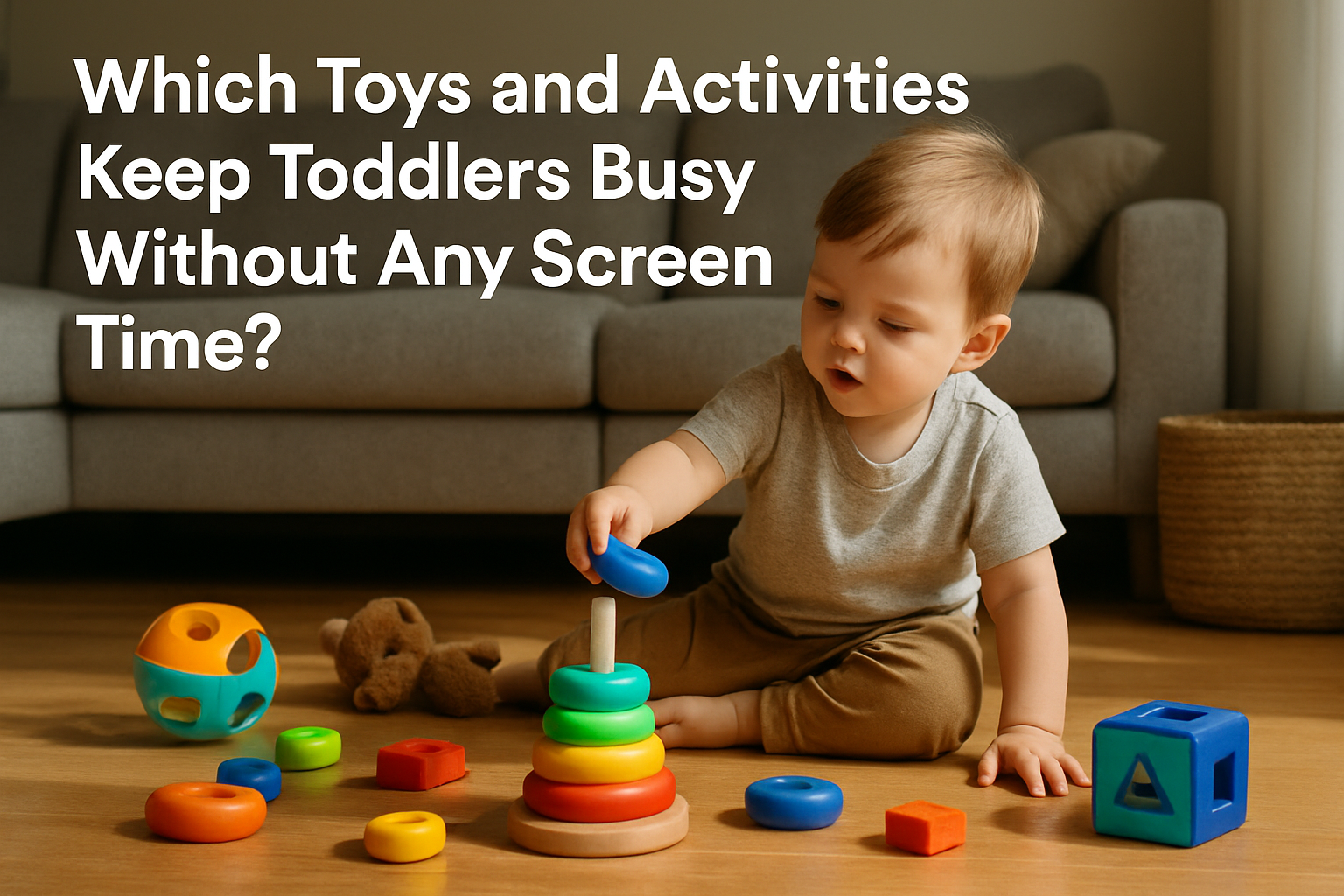

The world of toddlers is a wonderland of boundless creativity and imagination. During these formative years, nurturing creativity is vital for toddlers as it supports their overall development and lays the foundation for future learning and problem-solving skills. Parents and caregivers have the unique opportunity to encourage this creativity through engaging, non-screen activities that allow toddlers to explore, create, and grow in a meaningful way.
Understanding non-screen activities is essential, particularly in today’s technology-driven environment, where screens often dominate attention. Engaging toddlers in creative and hands-on activities not only captures their interest but also promotes cognitive, emotional, and social development. Non-screen play fosters critical thinking, enhances fine motor skills, and boosts language development by providing opportunities to express thoughts and ideas without the influence of digital distractions.
This article will explore a variety of the best toys and activities that promote engagement without screens. By incorporating open-ended toys, imaginative play scenarios, and hands-on creative arts activities, parents can provide toddlers with enriching experiences that stimulate their imagination and creativity. These activities encourage exploration, learning, and joy as toddlers immerse themselves in the endless possibilities of play and discovery, all while building essential skills that will benefit them for years to come.
Open-ended toys play a vital role in fostering imaginative play and independent exploration in children. These toys do not have a predetermined way of being used, allowing kids to engage with them in various creative ways. The importance of open-ended toys is that they encourage children to explore their ideas and use their imagination, which is essential for problem-solving skills. By allowing for autonomous play, these toys enable children to think critically and inventively, which forms the basis for many future learning experiences.
Examples of open-ended toys include items like magnetic tiles, building bricks, and plain wooden blocks. Each of these toys provides a different avenue for creativity. For instance, building bricks can be assembled into virtually anything a child imagines, whether it's a house, a car, or an entirely different structure. Similarly, magnetic tiles invite children to experiment with balance and stability while constructing elaborate designs. Moreover, plain wooden blocks offer endless possibilities, where children can practice engineering concepts while also engaging in storytelling through their creations.
The engagement of children with open-ended toys can significantly enhance their cognitive and social skills. As they interact with these toys, they not only learn to manipulate the objects but also how to collaborate with other children, sharing their ideas and projects. This collaborative aspect promotes communication skills and fosters a sense of community among peers, making open-ended toys indispensable tools in a child's developmental toolkit.
Toys designed to enhance fine motor skills play a critical role in a child's development, as these skills are essential for everyday tasks as well as academic success. Fine motor skills involve smaller movements that require coordination and control, such as gripping, lacing, or manipulating small objects. Toys that focus on fine motor skill development encourage precision and dexterity, which contributes to a child's ability to effectively engage in a variety of activities later in life.
Some effective examples of fine motor skill toys include lacing cards, building blocks, and various manipulative toys. Lacing cards require children to thread laces through holes, improving their hand-eye coordination and grip. Building blocks also offer opportunities for enhancing these skills, as children learn to stack and align pieces. Manipulative toys, which may involve buttons, gears, or sliding pieces, further engage children in activities that refine their motor skills while also stimulating cognitive development through problem-solving opportunities.
Engaging with fine motor skill toys not only aids in developing physical abilities but also sets the foundation for academic readiness, particularly in areas like writing and drawing. These skills are essential for performing tasks that require precision and control, which are prevalent in school environments. As children practice and improve their fine motor skills, they gain confidence in their abilities to handle tools, write neatly, and engage in other practical tasks, paving the way for successful educational experiences.
Imaginative play toys are crucial in assisting children in developing storytelling skills and creativity. These toys encourage children to immerse themselves in scenarios that they create, allowing them to live out their fantasies and understand the world around them through different perspectives. Items such as realistic toy animals and mini vehicles offer templates for imaginative play, where children can enact various stories, enhancing cognitive and social development.
The beauty of imaginative play toys lies in their promotion of pretend play, which is essential for emotional growth. Costumes and props provide children with tools they can use to adopt different roles, further stimulating their imagination. When children don costumes or use props, they engage in role-playing that deepens their understanding of different social roles and experiences. This type of play is not only entertaining; it also contributes to the development of empathy as children learn to see things from perspectives other than their own.
Moreover, engaging in imaginative play supports language development. As children narrate the actions of their toy characters or describe scenarios involving their mini vehicles, they practice language skills and expand their vocabulary. This combination of social, emotional, and cognitive benefits makes imaginative play toys essential resources in fostering a child's holistic development. Through imaginative play, children enhance their creative thinking and establish a range of skills that will be beneficial throughout their lives.
Engaging in creative arts activities is a fantastic way for children to express themselves without the use of screens. Activities such as painting, coloring, or crafting with varying materials not only stimulate creativity but also enhance fine motor skills. Children can experiment with colors, shapes, and textures, allowing their imaginations to flourish. For instance, using watercolors or markers on different types of paper can provide varied experiences and inspire unique creations. Furthermore, combining different crafting materials, like fabric scraps, string, or buttons, promotes innovative thinking and problem-solving as children consider how to best assemble their projects.
Encouraging children to build with cardboard and other recyclable materials can also be a thrilling activity. This type of hands-on experience not only utilizes items that would otherwise be discarded, but it also teaches important lessons about sustainability and resourcefulness. Children can create anything from simple structures to elaborate models, fostering their construction skills while allowing them to explore physics and engineering concepts intuitively. As they collaborate or work individually, they learn to overcome challenges and gain confidence in their abilities.
These activities also afford opportunities for social interaction and communication. Whether crafting alongside peers or family members, children learn to share ideas, negotiate, and provide positive feedback. This not only enhances their artistic skills but also builds essential interpersonal skills that will benefit them well into adulthood. Overall, creative arts activities engage children on multiple levels, promoting cognitive development while providing enjoyment without the need for screens.
Physical play is essential for children’s health and development, and it can be wonderfully engaging without any screens. Activities like dance parties, hide and seek, or indoor obstacle courses not only encourage movement but also stimulate creativity and imagination. When children participate in dance, they can express themselves musically while also improving coordination and rhythm. This type of play breaks the monotony of traditional exercise by making it fun and interactive, allowing children to burn off energy in an enjoyable way.
Hide and seek offers a thrilling mix of excitement and physical activity. This timeless game encourages children to run, hide, and strategize, boosting their problem-solving skills and social interactions. The unpredictability of the game keeps kids engaged, making it an excellent choice for group play. Indoor obstacle courses, tailored to utilize household items, provide another dynamic way to get kids moving. Challenging them to navigate through pillows, chairs, and tunnel-like structures develops their gross motor skills while enhancing their ability to focus and follow instructions.
Additionally, incorporating physical play into daily routines promotes healthy habits and helps combat sedentary lifestyles. Children who regularly engage in active play are more likely to develop a love for physical activity, cultivating long-term fitness habits. This layer of engagement fosters not only physical well-being but also mental agility, making active play vital for holistic development. Thus, preserving energetic play sessions free from screens ensures that children cultivate both their bodies and minds effectively.
Sensory play is an excellent avenue for children to engage in exploratory learning while developing critical cognitive and motor skills. Creating sensory bins filled with materials such as rice, beans, or water beads encourages tactile exploration. Such activities stimulate children’s senses and spark curiosity about different textures, which is vital for their overall development. The act of scooping, pouring, and sorting the materials promotes hand-eye coordination and fine motor skills while offering endless possibilities for imaginative play.
Additionally, activities involving water, sand, or shaving cream provide a rich sensory experience that captivates children. For example, playing with water can be both refreshing and exciting. Children can experiment with concepts of floating and sinking, pouring and measuring, which enhances their understanding of basic scientific principles. Sand play encourages creativity and abstract thinking as they build, mold, and sculpt. When children engage their senses fully, they learn to express their thoughts and ideas more effectively.
Sensory play also aids in emotional regulation, providing a calming effect for many children. Through hands-on exploration, they can manage their feelings and engage in satisfying, repetitive motions. This type of play encourages mindfulness, allowing children to become more in tune with their bodies and emotions. As they explore different sensory materials, children develop their imaginations, learning through multi-sensory experiences that keep them engaged without needing screens.
Nature-based activities are fundamental for fostering a child's appreciation of the environment while encouraging physical engagement. Outdoor play, such as gardening and scavenger hunts, promotes exploration and connection with nature. Gardening allows children to observe the growth process firsthand, teaching them responsibility and the importance of nurturing living things. By caring for plants and learning about the ecosystem, children develop empathy and an understanding of environmental stewardship.
Scavenger hunts are another enticing way to engage children with the outdoors. By searching for specific items like leaves, rocks, or flowers, children explore their surroundings with curiosity. This activity can be easily customized based on location and available nature, enhancing cognitive skills as they match items found in nature with their lists. The thrill of discovery not only creates excitement but also encourages teamwork when conducted in groups, improving social interaction and collaboration skills.
Involving toddlers in simple outdoor tasks, like collecting leaves or creating mud pies, can be equally rewarding. These activities stimulate sensory engagement and imaginative play as children interact with their environment. Even small tasks can lead to big learning, as toddlers explore textures, colors, and the natural world around them. Indirectly, these activities foster a sense of wonder and creativity, allowing for an immersive experience that screens simply cannot replicate. By promoting nature-based activities, we help children develop a lifelong interest in the world around them, ensuring a balanced approach to playtime.
Fostering creativity in young children is vital, as it enhances their cognitive abilities and emotional intelligence. One effective way to encourage imaginative play is to provide a wide range of diverse play options that allow toddlers to express themselves freely. This might include open-ended materials such as blocks, art supplies, and various props that spark their creativity. By creating an environment filled with resources that inspire creativity, caregivers and educators can help toddlers explore different roles and scenarios, encouraging them to think outside the box.
In addition to enriching the play environment, caregivers should encourage role-play scenarios that promote empathy and understanding. Role-playing allows toddlers to step into the shoes of others, which is essential for their emotional development. When children act out different characters, they learn to understand various perspectives and feelings, helping them develop vital social skills. Caregivers can facilitate this by introducing themes that resonate with young children, such as family interactions, community helpers, or magical adventures, and providing them the tools to enact these stories. This not only cultivates imagination but also assists in cultivating strong relationships among peers.
For recommended activities that further enhance imaginative play, reading stories that inspire imagination is a powerful tool. By selecting engaging tales that captivate their attention, caregivers can motivate toddlers to act out the characters and scenarios. This interactive form of storytelling encourages language development and sparks discussions about the story's themes. Additionally, the use of puppets can be particularly effective for both social skill development and imaginative storytelling. Puppets serve as a fun and approachable medium, allowing toddlers to express themselves without the pressure of direct interaction. Through puppet play, they can explore different voices, emotions, and situations, all while building their confidence in social settings. This blend of literacy and imaginative play creates a rich foundation for a child's overall development.
Engaging toddlers in creative DIY projects can turn a simple day indoors into a delightful experience. Use materials readily available at home to spark their imagination and keep their hands busy. Homemade crafts provide the perfect opportunity not only for creativity but also for learning basic skills. For instance, simple items such as empty bottles, buttons, and fabric scraps can be transformed into sensory bottles. These sensory bottles help in calming toddlers while providing visual and auditory stimulation. Filling bottles with glitter, beads, or colored water creates engaging visuals that toddlers will love shaking and watching.
Another exciting project is building structures using cardboard. This activity encourages spatial awareness and fine motor skills. By using old boxes, toilet paper rolls, and other cardboard remnants, children can create castles, forts, or even imaginative vehicles. A simple cardboard structure can be the basis for countless stories and role-playing games, enhancing both creativity and social skills as they collaborate with others or express their individuality. Allow them the freedom to use markers and paint to decorate their creations, which adds a personal touch and fosters their artistic abilities.
Finally, to enhance the DIY experience, include elements that promote critical thinking. Introduce challenges like creating a specific shape or building a structure that holds a certain weight. These activities inspire toddlers to think outside the box and problem-solve while they play, ensuring education is seamlessly woven into their creative endeavors.
Crafting activities are essential for keeping toddlers engaged and fostering their artistic expression. Simple crafts like egg crate wreaths provide a fun medium to explore with, combining creativity with fine motor skills. Collecting egg crates and transforming them into colorful wreaths not only declutters but also helps in enhancing coordination as toddlers cut, glue, and arrange their materials. Adding embellishments like ribbons or fake flowers allows children to personalize their creations, boosting their confidence and encouraging self-expression.
Another engaging crafting idea involves creating handprint flowerpots. This activity uses basic materials and offers a perfect blend of mess and creativity. By painting their hands and stamping prints onto clay or flower pots, children can design their own unique flower garden. This artsy craft serves dual purposes: it provides a fantastic canvas for creativity while also being a meaningful gift for family members or friends. As toddlers discover new ways to express themselves, they also practice colors and shapes, enhancing their learning.
Moreover, unconventional painting activities, such as using spaghetti, can introduce toddlers to new textures and techniques. Applying paint with different items like pasta not only provides a unique sensory experience but also challenges them to think about art in innovative ways. Allowing little ones to explore these textures helps them develop a richer understanding and appreciation of art. These crafting ideas give room for imagination, transforming ordinary moments indoors into extraordinary creative adventures.
Engaging toddlers in screen-free activities offers a multitude of developmental benefits. From enhanced cognitive skills to improved physical coordination, the right activities can play a pivotal role in shaping a child's growth. Research highlights that toddlers who engage in creative play, such as drawing or building with blocks, see significant advancements in their problem-solving abilities. These activities encourage imagination and critical thinking, allowing children to explore their environment in meaningful ways. When toddlers participate in physical play, such as running or climbing, they not only develop stronger muscles but also improve their motor skills, which are essential for later life.
Moreover, the social skills gained from playing with peers during screen-free activities cannot be overlooked. Group play fosters cooperation, sharing, and empathy. When toddlers are engaged in imaginative role-play or team games without screens, they learn to negotiate, communicate, and express their emotions more effectively. These interactions are foundational in teaching them how to navigate friendships and relationships as they grow. Encouraging unstructured playtime allows toddlers to set their own rules, experiment with different roles, and understand the nuances of social cues, thereby building a strong foundation for emotional intelligence.
Parents play a crucial role in facilitating these activities and experiences. By curating a variety of options for screen-free engagement, parents can significantly influence their child's preferences and skillsets. Simple actions, like organizing a nature scavenger hunt, creating a mini art studio at home, or setting up obstacle courses outdoors, can transform everyday moments into enriching experiences. These activities can promote curiosity and provide opportunities for learning in a fun, relaxed environment. Furthermore, limiting screen time not only benefits the child's development but also strengthens parent-child bonds through shared experiences, enhancing the overall family dynamic.


Overview The world of toddlers is a wonderland of boundless creativity and i...


Overview The world of toddlers is a wonderland of boundless creativity and i...