A Screen-Free Christmas Morning: Toys That Get Kids Moving and Imagining
Introduction Outdoor play is not just a leisurely activity for toddlers; it ...

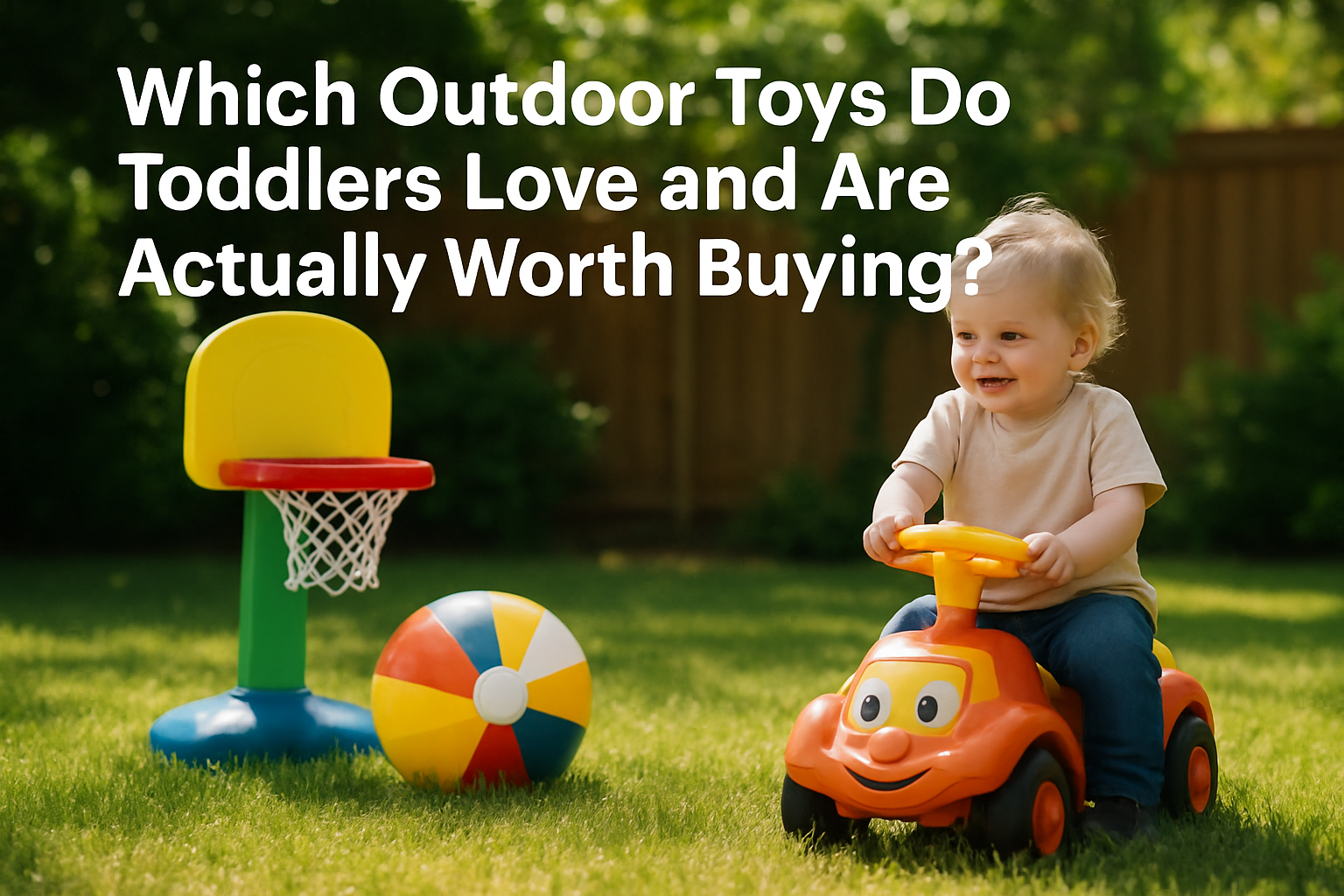

Outdoor play is not just a leisurely activity for toddlers; it serves as a vital foundation for their growth and development. Engaging in play outside helps them explore their environment, boosting their curiosity and encouraging their active participation in various activities. Not only does outdoor play provide fun, but it also lays the groundwork for essential life skills.
One of the significant benefits of outdoor play is that it encourages physical activity. As toddlers run, jump, climb, and engage with various toys, they are developing their gross motor skills and coordination. This form of exercise is crucial in combating childhood obesity and enhancing overall well-being. Physical activity also plays a vital role in stimulating brain development, enhancing cognitive function, and boosting mood. When toddlers are active outdoors, they're not just playing; they're establishing healthy habits that can last a lifetime.
Moreover, outdoor play stimulates a child's creativity and imagination. Nature provides an open canvas where toddlers can express themselves freely without the constraints of structured indoor activities. Simple interactions with natural elements—like dirt, water, or leaves—allow children to create their own games, stories, and narratives. These imaginative play sessions cultivate problem-solving skills and foster independence, as children learn to navigate their surroundings and make choices.
Additionally, sensory exploration is enhanced during outdoor play. The different textures, sounds, and sights of the natural world awaken a toddler's senses, enriching their learning experiences. Toys designed for outdoor use offer unique opportunities for sensory engagement. Water play, for example, can provide tactile experiences while cultivating fine motor skills. Overall, investing in outdoor toys can lead to numerous developmental benefits for toddlers, making these items worthy purchases for any family.
When the sun shines, there's nothing better than letting toddlers explore the great outdoors with toys designed to inspire creativity and physical activity. Outdoor play not only entertains but also enhances essential skills, making it crucial to choose toys that are both engaging and beneficial.
One excellent option for outdoor fun is a water table. This versatile toy engages toddlers through sensory play as they splash, pour, and experiment with water. Whether it's creating rivers or playing with floating toys, a water table fosters creativity while providing a stimulating environment. It invites toddlers to engage in imaginative scenarios, enhancing their cognitive and fine motor skills. Additionally, the sensory experience helps in developing their understanding of cause and effect.
Physical activity can also be effortlessly integrated through a swing. Swings provide joy and exhilaration while also promoting balance and coordination. Swinging is often a favorite activity for toddlers, allowing them to experience the thrill of soaring through the air, which can be both calming and invigorating. In addition, incorporating a swing set in the backyard can create an inviting outdoor space where toddlers feel comfortable and eager to play.
As summer approaches, a sprinkler or baby pool becomes essential for hot days. These toys bring endless joy and a refreshing escape from the heat, allowing toddlers to splash and play freely. Moreover, they foster social interactions as children gather for shared experiences, promoting cooperation and group play. Establishing a fun atmosphere during these warm months is crucial for physical well-being and social development.
To enhance outdoor play further, consider introducing a slide. This classic backyard feature provides excitement as toddlers climb and slide down, aiding in developing their balance and coordination skills. The thrill of going down a slide often leads to repeated attempts as toddlers learn to master their movements and gain confidence in their physical abilities.
In order to promote creativity and imaginative play, a picnic table can serve as the perfect accessory for outdoor gatherings. Toddlers can use it for snack times, arts and crafts, or simply as a gathering space for friends. Such functionality encourages imaginative scenarios while simultaneously teaching them the importance of sharing and group activities.
Lastly, don’t overlook the timeless appeal of classic outdoor toys like bubbles and chalk. These simple yet engaging play materials foster artistic expression and imaginative storytelling. Toddlers can create colorful sidewalk art or chase after gleaming bubbles, experiencing joy in movement and creativity. This type of play supports not only fine motor skills but also narrative thinking as they describe their creations or the adventures they imagine.
Incorporating these outdoor toys into a toddler's playtime is a fantastic way to ensure they experience the benefits of active play, creativity, and social interaction. Each recommendation supports key developmental milestones, ensuring toddlers grow, learn, and thrive while enjoying the beauty of the outdoors.
Selecting the right outdoor toys for toddlers is essential for fostering their physical development, social skills, and joy of play. When choosing these toys, several key factors come into play that ensure safety, engagement, and longevity.
Safety should always be the top priority when selecting outdoor toys for toddlers. Toys designed with low platforms and wide slides create a secure environment for young children. These features help mitigate the risk of falls and accidents, allowing toddlers to explore their surroundings with confidence. Soft edges and non-toxic materials also contribute to a safer play experience. Ensuring that the toys comply with safety standards can give parents peace of mind while their children are enjoying outdoor activities. Play equipment that is sturdy and stable can further enhance safety and minimize the likelihood of tipping over during use.
Another important consideration is matching outdoor toys with the interests of the toddlers. Each child has unique preferences, whether it’s climbing, sliding, or playing in sand. By selecting toys that cater to a child's specific interests, you are more likely to encourage prolonged engagement and enjoyment. Observing what activities excite your child can guide the decision-making process. For example, if they show a particular interest in pretend play, choosing an outdoor toy that allows them to engage in imaginative scenarios will not only be fun but also promote creativity and cognitive development.
Durability is essential when selecting outdoor toys, given that they will often be exposed to harsh weather conditions. Choosing toys made from robust materials ensures they withstand the elements, providing long-lasting play opportunities. Look for toys that have been treated to resist fading, rusting, and cracking. Investing in durable toys can save money in the long run, as they will not need to be replaced frequently. Additionally, durable toys guarantee that families can enjoy extended outdoor playtime, regardless of varying weather conditions.
Outdoor toys should ideally provide room for growth, adapting as children develop new skills. Modular systems are particularly beneficial, allowing for adjustments that match a toddler's changing abilities and interests as they grow. Such flexibility ensures that the toy remains relevant and engaging over time, reducing the need for new purchases as the child matures. These adaptable systems can encourage deeper learning and physical development as they can be modified to present new challenges that keep toddlers interested and engaged.
Lastly, ease of assembly is a significant consideration. Parents and caregivers appreciate outdoor toys that can be put together quickly and without frustration. Clear instructions and all necessary components included in the package ensure a smooth setup process. This factor is especially important for busy families who want to maximize playtime without getting bogged down in complicated assembly. Well-designed toys allow parents to spend more time facilitating play and less time struggling with assembly.
By focusing on these key factors—safety features, interest matching, durability, growth potential, and ease of assembly—parents can ensure they choose the best outdoor toys for their toddlers, offering fun and enriching experiences outdoors.
Outdoor playtime fosters creativity and physical health, but ensuring safety while children enjoy their toys is paramount. Implementing essential safety measures can significantly reduce the risk of accidents and injuries, allowing for a safe environment where children can thrive.
Selecting toys that are appropriate for a child’s age is fundamental in preventing hazards. Toys that are too advanced may contain small parts or require skills that younger children do not possess, leading to choking hazards or accidents. Before purchasing a toy, it's vital to check for age recommendations on packaging to ensure it aligns with the child’s developmental stage.
Regular inspections of outdoor toys are also essential to maintain safety. Over time, exposure to the elements can wear down toys, leading to potential danger points such as sharp edges, loose parts, or broken components. Establishing a routine to check these toys before each use can help identify any issues early on, thereby preventing injuries during play. Parents and caregivers should stay vigilant about the lasting condition of all toys, particularly those that are frequently used outdoors.
In addition to selecting safe toys and conducting regular inspections, using appropriate safety gear plays a significant role in preventing injuries. Helmets, knee pads, and elbow pads are crucial when children engage in activities that involve movement and potential falls. Ensuring that children wear this gear while playing on outdoor toys like bikes or scooters greatly decreases the risk of injury. Safety gear should always be age-appropriate and fit correctly, providing the highest level of protection.
Supervision also cannot be overlooked in maintaining a safe play environment. Active supervision allows caregivers to intervene quickly in the event of unsafe behavior or potential accidents. Engaging with the child during play not only helps in guiding their actions but also offers opportunities for teaching safety practices. Caregivers can encourage safe play, ensuring that children use the toys according to their intended purpose, which reduces the chance of misuse and accidents.
Another important aspect of outdoor toy safety involves proper storage. Toys should be stored in a location that is safe and accessible, yet not cluttered, opting for organized spaces where items can be easily retrieved and put away. Proper storage practices help minimize the risk of tripping hazards and ensure that children are playing with intact, functional toys. By dedicating time to responsibly manage toy storage, caregivers can contribute significantly to a safer play area.
By following these essential safety measures—selecting appropriate toys, inspecting them regularly, ensuring the use of safety gear, supervising playtime, and practicing proper storage—parents and caregivers can create a safer outdoor play environment for children. Emphasizing these guidelines not only minimizes injuries but also allows children to enjoy their outdoor experiences fully and without fear.
When it comes to selecting outdoor toys for toddlers, parents often emphasize the importance of fun, safety, and developmental benefits. One type of toy that consistently garners praise from parents is the water table. These interactive toys engage little ones in imaginative play while developing motor skills. Water tables allow toddlers to experiment with pouring, splashing, and mixing, providing a sensory-rich experience. The endless possibilities of play ensure that children remain captivated for extended periods, fostering creativity and social interactions as they play together.
Another favorite among parents are balance bikes. These toys are excellent for enhancing coordination and movement skills in toddlers. Unlike traditional bikes, balance bikes encourage children to focus on balancing rather than pedaling, making the transition to larger bicycles smoother. As children propel themselves forward, they learn to adjust their body’s center of gravity, which helps improve their coordination and strengthens their leg muscles. Parents appreciate that balance bikes promote outdoor activity, encouraging a healthy lifestyle while building confidence as toddlers master their riding skills.
Sand and water toys are also widely popular, offering versatility for creative exploration. Parents love that these toys can provide multiple types of play experiences, from building castles in the sand to running water through various channels. This kind of play not only entertains toddlers but also enhances their fine motor skills as they scoop, pour, and mold different materials. The ability to modify their play with sand or water keeps children engaged and invites them to experiment with different textures and forms, helping to stimulate their imaginations and creativity further.
In addition to these options, bubble machines are another recommendation from parents, creating an element of magic and wonder outdoors. The appeal of colorful, floating bubbles encourages toddlers to chase and pop them, promoting physical activity while developing gross motor skills. Bubble play can also foster social interaction as children gather to enjoy the experience together, enhancing their social skills and encouraging teamwork.
Lastly, playhouses are frequently highlighted as ideal for imaginative play. These structures provide toddlers a personal space to explore their creativity, mimicking real-life scenarios or inventing their own role-playing games. Parents appreciate that playhouses can be used season after season, growing with their children's interests and providing countless opportunities for open-ended play. Such toys contribute significantly to the child's emotional well-being, allowing them to express themselves in a safe and controlled environment.
In summary, the variety of outdoor toys recommended by parents showcases the importance of engaging play in a child's early years. Water tables, balance bikes, sand and water toys, bubble machines, and playhouses not only entertain but also foster development across multiple domains. By selecting toys that inspire creativity, physical activity, and social interactions, parents contribute to their child's holistic growth and enjoyment of outdoor play.
Outdoor play serves as a vital component for the holistic development of toddlers, enhancing not only their physical abilities but also their social skills. Engaging in activities outside allows children to interact with their environment in ways that indoor settings cannot offer. This interaction contributes to their social development as they learn to cooperate, share, and communicate with peers. Outdoor play settings often present opportunities for toddlers to negotiate rules and resolve conflicts, which are essential skills for building social relationships. This aspect of play fosters an understanding of teamwork and encourages empathy, laying a foundation for strong social interactions in later years.
Furthermore, outdoor play significantly promotes motor skill development. The natural landscapes available in outdoor environments provide toddlers with various surfaces and elevations that challenge their physical abilities. Climbing on structures, running across grass, or even navigating uneven terrain develops core strength, balance, and coordination. These activities not only enhance gross motor skills but also contribute to fine motor skills through tasks like manipulating natural objects—picking up sticks, digging in the soil, or gathering leaves. Such play is fundamental in preparing children for more structured physical activities as they grow.
In addition to physical growth, outdoor play encourages problem-solving and risk management. When toddlers engage with their surroundings, they frequently encounter challenges that require critical thinking. Climbing over a fallen tree or figuring out how to get down from a high slide helps children assess risks and make choices. This process of exploration is fundamental to cognitive development, as toddlers learn to evaluate their abilities and anticipate outcomes. Moreover, outdoor environments stimulate curiosity and creativity, as children are prompted to explore diverse textures, sounds, and sights. This sensory exploration enriches their understanding of the world around them, making learning an enjoyable and instinctive process. Through outdoor play, toddlers develop key cognitive and social skills that are integral to their overall growth and future learning experiences.
The recent trends in outdoor toys for toddlers highlight a shift towards encouraging both physical activity and imaginative play. Parents are increasingly recognizing the importance of outdoor experiences in fostering their children's development. Toys designed to promote movement, such as balance bikes and climbing structures, are becoming more popular. These toys not only provide a fun agenda for playtime but also help improve gross motor skills, balance, and coordination. As children engage in active play, they benefit from physical exercise, which is vital for their overall health and well-being.
In addition to promoting physical activity, there's a noteworthy rise in water and sensory play tools. Items such as splash pads, water tables, and nature exploration kits provide opportunities for sensory experiences that stimulate curiosity and creativity. These toys often incorporate aspects of science and nature, allowing children to experiment and learn through play. This trend reflects a growing awareness among caregivers about the educational value of outdoor play, especially when it comes to fostering exploratory behavior in toddlers. Water and sensory play not only entertain but also encourage cognitive development as children engage with various textures, sounds, and physical environments.
Moreover, the evolution of play mats and outdoor accessories has transformed the way toddlers interact with their surroundings. Modern play mats are often designed with vibrant colors and interactive elements, making them more appealing for outdoor use. These mats provide a safe and comfortable space for toddlers to engage with their toys while parents enjoy peace of mind knowing that their little ones are protected from the ground. This has led to an increase in the integration of classic toys, which continue to hold their charm. Items like building blocks and art supplies remain favorites because they stimulate creativity and imaginative play, making them timeless additions to any outdoor play setup. The enduring popularity of traditional toys amidst evolving trends signifies a blending of the new with the old, ensuring that play remains meaningful and enriching for young children.
The essence of modern outdoor play increasingly hinges on sustainability, making environmentally friendly toys essential for today’s conscientious consumers. These toys, crafted from sustainable materials, not only serve their primary purpose of providing recreational enjoyment but also instill a sense of responsibility towards the planet in children. The importance of environmentally friendly toys can be understood through their definition, the benefits of using non-toxic and biodegradable materials, and their role in fostering a connection with nature.
Firstly, environmentally friendly toys refer to products that are made from materials that minimize harm to the environment. This includes items created from sustainably sourced wood, recycled plastics, and other renewable resources. By prioritizing toys made from these materials, parents contribute to a healthier planet and ensure the safety of their children. Traditional toys often contain harmful chemicals and non-biodegradable plastics that can linger in landfills for hundreds of years. In contrast, eco-friendly alternatives promote not only safety for children but also a more sustainable future by reducing waste and pollution.
The benefits of using non-toxic, biodegradable materials in outdoor toys are manifold. Non-toxic materials ensure that children are free from dangerous substances during play, which can lead to healthier interactions with their toys. Biodegradable toys break down naturally over time, unlike their plastic counterparts, which contribute to environmental degradation. By choosing toys that can decompose, parents are actively participating in reducing landfill waste. This conscious decision not only teaches children the value of making environmentally sound choices, but it also minimizes the harmful impact on wildlife and ecosystems that result from non-biodegradable materials.
Moreover, environmentally friendly outdoor toys can foster a deeper connection with nature and encourage exploration among children. Engaging with toys made from natural materials can enhance sensory experiences, allowing children to appreciate textures, scents, and the physical aspects of their surroundings. This interaction promotes outdoor play, which is vital for physical health and mental well-being. When children play with sustainable toys that are designed to integrate with nature, they are motivated to explore their environment, stimulate their curiosity, and develop an appreciation for the natural world. Ultimately, the use of environmentally-friendly outdoor toys not only supports the planet but also nurtures the next generation's respect for it.
Regular maintenance of outdoor toys is essential to ensure their longevity and safety. Conducting routine inspections for safety should be a priority for every outdoor toy owner. These inspections should focus on checking for any damaged parts, sharp edges, or wear and tear that could pose a danger to children. This proactive approach not only minimizes risks but also allows you to address any issues before they worsen. Setting a schedule for these inspections, such as once a month or after significant weather events, can help keep the toys in safe condition.
In addition to safety inspections, easy cleaning procedures can significantly enhance the lifespan of outdoor toys. Using mild cleaning solutions and a soft cloth is typically sufficient for removing dirt and grime. It's important to avoid harsh chemicals that can degrade materials over time. After cleaning, rinsing the toys with water can help eliminate any remaining soap residue. For toys that may accumulate mold or mildew, a gentle scrubbing with a vinegar solution can be effective. This not only cleans the toy but also helps prevent the growth of harmful bacteria and allergens, ensuring a safe play environment.
Disinfection practices are crucial, especially in shared play areas. Occasionally, disinfecting outdoor toys can prevent the spread of germs and ensure they are safe for use, particularly during flu season or if the toys are used by different children. Many parents find it helpful to establish a regular disinfecting routine, which could involve a more thorough cleaning process every few months. Lastly, the best practices for storing outdoor toys can play a significant role in their longevity. Keeping toys covered or stored in a dry place when not in use can protect them from weather damage, such as excessive sunlight, rain, or snow. Utilizing storage bins or outdoor sheds can keep toys organized and safe, further extending their lifespan.
Reflecting on the myriad of options available for outdoor toys, it’s clear that the right choices can make a significant impact on children’s play experiences. Engaging outdoor toys not only provide endless entertainment but also foster creativity, physical activity, and socialization. From swings to water play equipment, the range is extensive, catering to various age groups and interests. Selecting toys that invite exploration and imaginative play is essential, as these elements are critical for children’s developmental growth.
Safety and durability are two paramount considerations when choosing outdoor toys. Parents should prioritize options made from non-toxic materials that can withstand the wear and tear of outdoor use. Ensuring that toys meet safety standards can provide peace of mind while encouraging adventurous play. Additionally, engaging toys help to minimize the risk of injury by promoting healthy interactions and active play rather than sedentary activities. Investing in high-quality outdoor toys helps safeguard children’s well-being and guarantees years of cherished play.
As parents embark on the journey of selecting outdoor play items, there is the added encouragement to consider the long-term benefits of quality products. While these may require a greater initial investment, they often yield more enjoyment and educational value over time. Frequent use of robust toys can also lead to lower replacement costs, making them wiser choices in the long run. By making informed decisions, parents not only provide children with joy-filled experiences but also contribute to their overall development, nurturing active, imaginative, and happy individuals.


Introduction Outdoor play is not just a leisurely activity for toddlers; it ...


Introduction Outdoor play is not just a leisurely activity for toddlers; it ...