25 Coolest Gifts for Grandchildren in 2026
Understanding the Value of Toys When it comes to selecting toys, understandi...

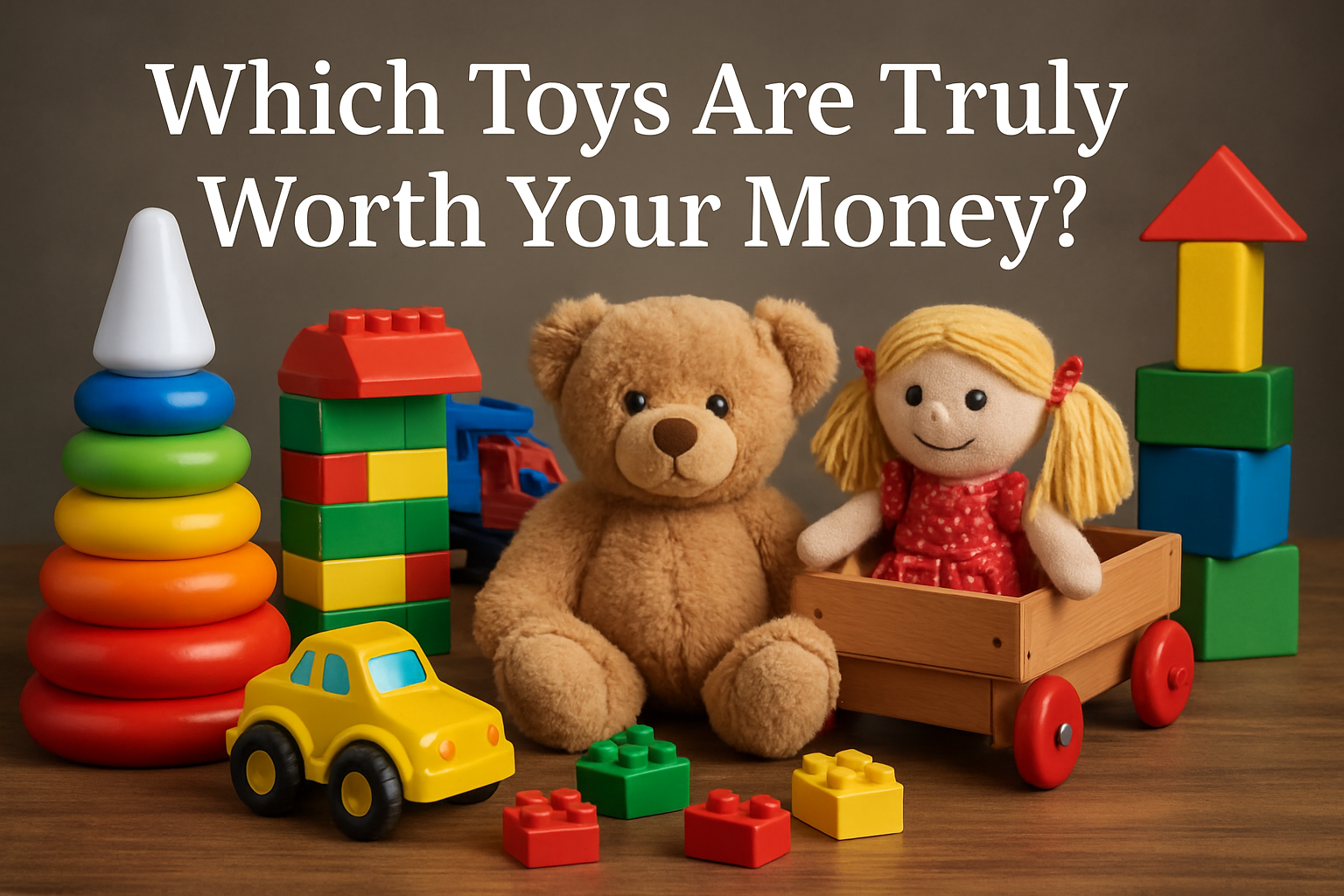

When it comes to selecting toys, understanding their value is paramount for families and consumers alike. A toy’s worth goes beyond its price tag; it encompasses its utility, longevity, safety, and the joy it brings to children. Families want to ensure that their investment contributes positively to their child's development and entertainment. With a plethora of options available, discerning which toys truly offer value can be challenging. Therefore, it is essential to adopt a comprehensive approach in evaluating the worthiness of toys.
In assessing toys, several criteria come into play. First and foremost, one must consider the educational value a toy provides. Toys that stimulate cognitive development, fine motor skills, and creativity are often seen as more valuable than those that do not engage children in critical thinking or problem-solving. Additionally, the longevity of a toy is critical; a toy that can withstand the rigors of play and last over time is usually worth the investment. Furthermore, safety is a non-negotiable factor; toys must adhere to safety standards to ensure they pose no health risks to children.
Moreover, cost-effectiveness is a crucial aspect when weighing the worth of toys. While some toys may seem affordable upfront, their inability to last or deliver ongoing educational benefits can render them less valuable in the long run. Thus, consumers and families are encouraged to evaluate toys with a holistic perspective, considering not just the initial price, but the potential return on investment in terms of learning experiences, durability, and safety. This multi-faceted approach enables families to make informed decisions that align with their values and the developmental needs of their children.
When evaluating toys, one of the primary factors to consider is the relationship between price and longevity. It’s essential to analyze how much a toy costs relative to how long it lasts. Higher-priced toys often come with promises of durability and quality, but this isn't always the case. Parents should weigh the initial investment against the potential lifespan of the toy. A toy that holds up under regular use may ultimately be more cost-effective than a cheaper alternative that breaks quickly. Furthermore, considering how many hours of play a child receives from a toy can impact the perceived value over time.
Additionally, it's important to think about the resale value or the possibility of passing down toys. Some toys can retain their value well and be resold or handed down, making them a smarter financial choice in the long run. In contrast, cheaper toys may end up in a landfill, contributing to waste and providing no return on investment. Evaluating toys involves looking beyond the price tag to understand the overall cost-effectiveness over the years.
Moreover, understanding a toy's potential for adaptability can influence its longevity. Toys that can grow with a child and serve multiple functions can be worth the higher price. For example, a toy that can be used in different ways as a child develops not only retains interest for longer but also delays the need to purchase additional toys. Considering factors like these can guide parents in making informed decisions that benefit both their wallet and their child's play experience.
Another important factor in evaluating toys is their educational value. The ideal toys aid in brain development and encourage learning through play. Parents should examine which toys provide significant educational benefits. Toys that stimulate creativity, problem-solving, and critical thinking are invaluable in a child's early years. For instance, building sets can enhance spatial awareness and fine motor skills, while interactive games might teach math or language concepts.
Educational toys are designed with specific developmental milestones in mind. They can aid in teaching children basic skills like counting, reading, and social interaction. The importance of brain development during early childhood cannot be understated. Toys that engage children mentally can support essential cognitive functions and promote essential skills they will use throughout their lives. In this context, seeking toys that are both fun and educational ensures children enjoy learning while playing.
Additionally, the role of parents and caregivers cannot be ignored when it comes to maximizing the educational value of toys. Engaging with children during playtime enhances their learning experience. For instance, playing together with educational toys can help reinforce concepts and encourage conversation. Therefore, when selecting toys, prioritizing those that facilitate interaction and educational growth can lead to more fulfilling play experiences for children and parents alike.
Safety and quality are paramount factors in the toy evaluation process. Parents must highlight safety standards that affect toy selection. Toys should comply with national safety regulations and standards designed to protect children from harmful materials and potential hazards. Looking for indications of compliance can alleviate concerns surrounding toxic materials or small parts that can pose choking hazards.
Furthermore, parental awareness about recalls and safety updates regarding toys can ensure that they remain informed about their children's playthings. Regular checks on safety guidelines help parents choose the best products and keep abreast of potential dangers. Therefore, evaluating toys from a safety and quality perspective not only ensures a better buying decision but also fosters a safer and healthier play environment for children.
Building and construction toys are essential for developing creativity and fine motor skills in children. These toys not only captivate young minds but also encourage them to explore various concepts of engineering and architecture. As children manipulate pieces and structures, they engage in critical thinking and problem-solving, fundamental skills necessary for personal and academic growth. The act of building something from scratch fosters a sense of achievement, promoting confidence in their abilities.
Popular types of construction toys come in many forms, appealing to a wide range of interests and ages. For younger children, block sets are particularly effective, allowing them to assemble structures easily. As children grow, more complex construction kits incorporating gears, rods, and connectors can keep them engaged while challenging their spatial awareness and logical reasoning. The versatility of these toys makes them not only enjoyable but also beneficial in developing long-lasting cognitive capabilities.
Moreover, building toys often facilitate collaborative play. When children work together to create their structures, they learn valuable social skills like sharing, negotiation, and teamwork. This collaborative aspect of construction play can lead to deeper friendships and enhance communication skills. Ultimately, investing in building and construction toys provides multifaceted developmental benefits, laying a strong foundation for both creativity and essential life skills.
Role-playing and imaginative toys unlock the door to limitless possibilities for a child's creativity. These toys encourage children to step into different roles, helping them to explore various scenarios while developing empathy and understanding of others’ perspectives. Engaging in imaginative play is crucial for cognitive development, as it allows children to express their thoughts and feelings in a safe environment. This type of play can also enhance language and communication skills, as children narrate their adventures and interact with peers.
Effective examples of role-playing toys include playsets that imitate everyday experiences—be it through kitchens, workshops, or even medical kits. These types of toys provide children with the tools to re-enact real-life situations, which is vital for developing problem-solving skills. By engaging in role play, children also experience emotional regulation as they navigate different characters and scenarios, equipping them with valuable emotional intelligence for their future interactions.
Moreover, role-playing games promote social skills as children often play in groups. These shared experiences encourage negotiation, collaboration, and conflict resolution—skills that are transferrable to adult life. By investing in imaginative toys, parents not only nurture creativity in their children but also support their social development, laying the groundwork for future relationships and interpersonal dynamics.
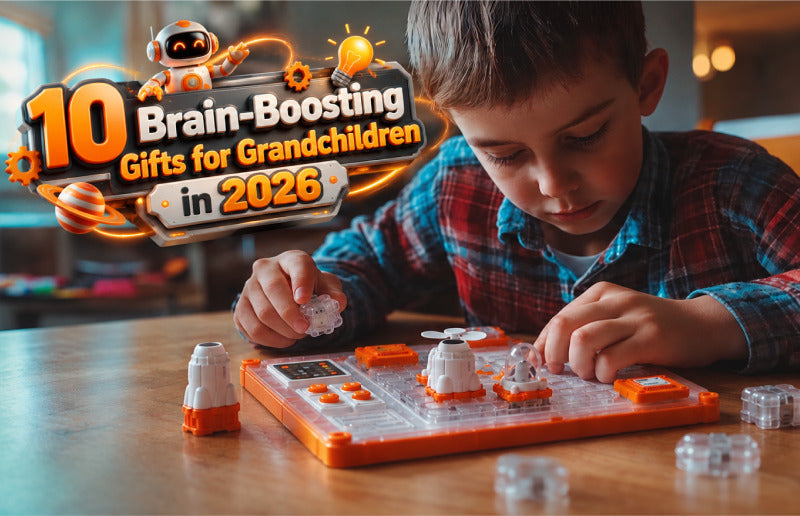
STEM toys, which focus on Science, Technology, Engineering, and Mathematics, have become increasingly popular as educators and parents recognize their importance in today's world. These toys are specifically designed to help develop crucial skills that are highly sought after in the modern workforce. Learning through play has been shown to enhance children's ability to engage with complex concepts in a fun and approachable manner, making learning less daunting and more enjoyable.
Popular examples of STEM toys can range from basic coding kits designed for young learners to more intricate robotics kits that challenge older children. As children engage with these toys, they cultivate critical thinking, analytical skills, and creativity in problem-solving. Moreover, these experiences encourage a practical understanding of mathematical concepts and scientific principles, allowing children to see their applicability in everyday life.
Investing in STEM toys also fosters collaboration, as many of these toys encourage teamwork. Children often work together to complete tasks or challenges, further enhancing their social skills. As they navigate their projects, they learn to communicate effectively and nurture their teamwork abilities. By supporting children through STEM toys, parents can play an active role in preparing them for the future, ensuring they are equipped with valuable skills and knowledge in an ever-evolving world.
Creating your own toys can be an exciting bonding experience for both parents and children. The concept of DIY toys encourages creativity and resourcefulness, allowing children to engage in imaginative play while fostering problem-solving skills. Homemade toys can range from simple items, such as stuffed animals made from fabric scraps, to complex constructions, like cardboard forts or homemade puzzles. Beyond the joy of creation, DIY toys also carry the innate benefit of personalization, as every toy can be tailored to a child's specific interests and preferences, making playtime even more engaging.
In terms of cost, homemade toys are considerably more affordable than their store-bought counterparts. With just a few materials that you may already have at home—like paper, fabric, wooden blocks, or recyclables—you can create functional toys without breaking the bank. This is especially beneficial for families on a budget, as it allows for more creativity with limited financial resources. Moreover, engaging children in the DIY process can be an educational activity, teaching them about resource management and sustainability while promoting an innovative mindset.
Another significant benefit of DIY toys is the safety element. Parents can choose non-toxic materials and ensure there are no small parts that could pose choking hazards. This thoughtful approach provides peace of mind that often isn’t guaranteed with mass-produced alternatives. Overall, DIY and homemade toys not only encourage creativity and problem-solving in children but also provide a cost-effective and safe way to enhance their playtime experience.
Purchasing used toys offers a viable option for those seeking budget-friendly alternatives while promoting sustainability. The benefits of second-hand toys extend beyond just saving money; they also provide a chance to give pre-loved items a new life. This practice supports a more eco-conscious lifestyle by reducing waste and minimizing the demand for new toy production. Furthermore, many used toys still have plenty of life left in them, allowing children to enjoy a variety of play experiences without the hefty price tag found in retail.
Finding quality second-hand toys doesn't have to be a daunting task. Many avenues exist for sourcing these items, including local thrift stores, online marketplaces, and community groups dedicated to sharing second-hand goods. When exploring these options, parents can pay attention to a few important factors to ensure safety and quality. Checking for visible wear, ensuring that toys meet safety standards, and thoroughly cleaning items can provide reassurance about their condition. Additionally, seeking out reputable sellers who specialize in children’s items can further mitigate safety concerns associated with used toys.
In conclusion, buying second-hand toys can be a smart and economical choice. It allows families to access a diverse range of products, encouraging imaginative play without the associated costs of new toys. This option also helps children appreciate materials and toys in a way that respects both their value and the environment. By opting for second-hand items, parents can instill values of sustainability and resourcefulness in their children, all while offering them enjoyable and safe play experiences.
Making informed choices about toys can significantly impact a child's development and play experience. When evaluating a toy, it's essential to consider various factors that determine its worth. Parents and caregivers should focus on the educational value of the toy, ensuring that it promotes learning and skill development. Toys that encourage creativity, problem-solving, and cognitive skills can provide lasting benefits for a child's growth. This means looking beyond the immediate fun a toy may offer and considering how it can contribute to a child's developmental milestones.
Safety is another paramount consideration. With the variety of toys available, it's crucial to prioritize items that are made from non-toxic materials and have undergone rigorous safety testing. Parents should look for age-appropriate toys that do not present choking hazards or other risks. By emphasizing safety, caregivers are not only protecting children but also fostering a trustful play environment where children can explore and learn without unnecessary risks.
The longevity of a toy is equally important in making informed purchasing decisions. Durable toys that can withstand wear and tear not only save money in the long run but also reduce waste. Choosing toys that offer multiple uses or can adapt as a child grows encourages prolonged use and keeps children engaged over time. By focusing on educational value, safety, and durability, consumers can ensure their purchases support the healthy development of their children while providing enjoyment for years to come.



Understanding the Value of Toys When it comes to selecting toys, understandi...

Understanding the Value of Toys When it comes to selecting toys, understandi...