

What Toys Are 4 and 5-Year-Olds Choosing to Play With Most?
Introduction and Overview Outdoor play is essential for toddlers, serving as...

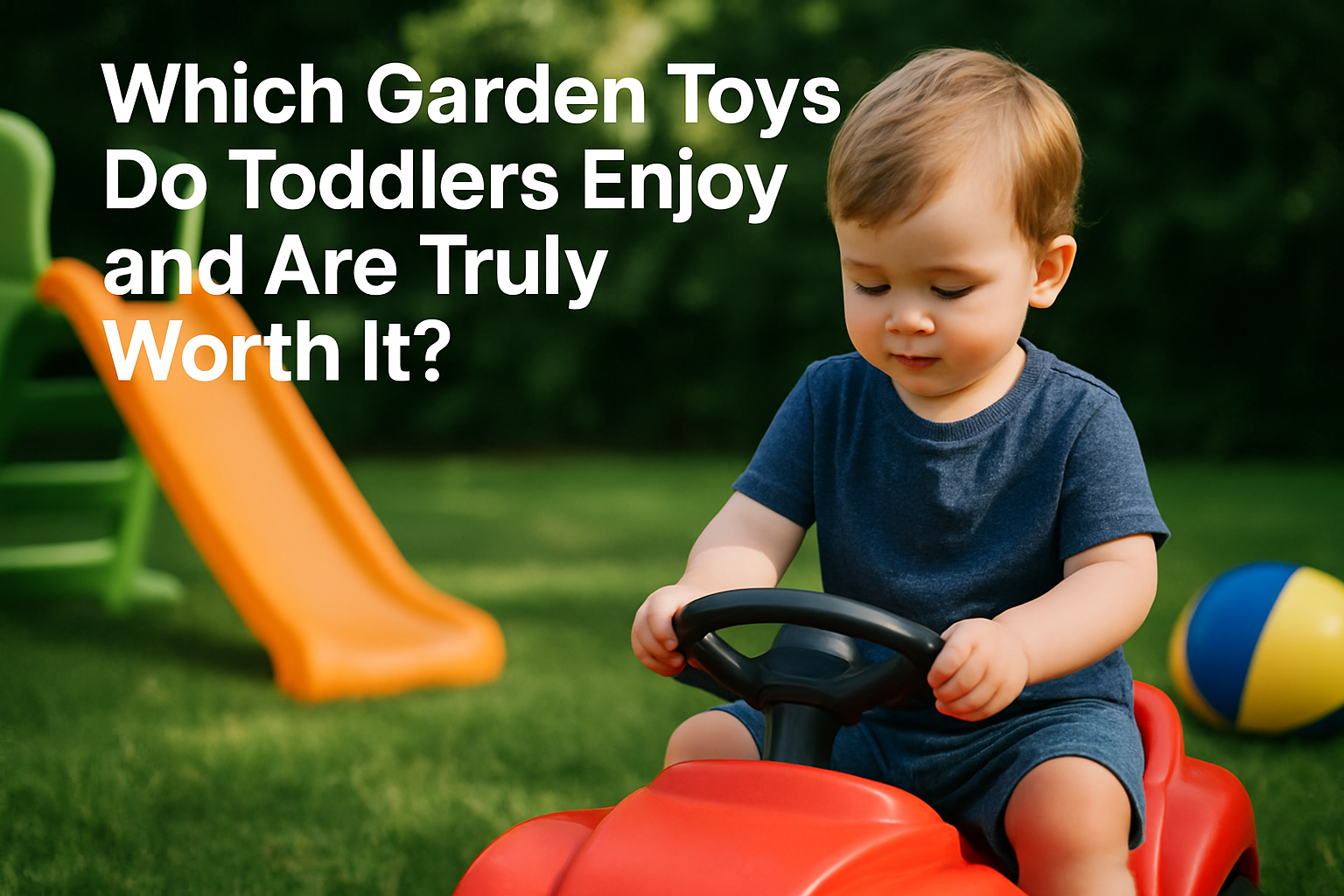

Outdoor play is essential for toddlers, serving as a foundation for their physical, social, and cognitive development. Engaging in outdoor activities allows young children to explore, experiment, and interact with their environment, which is critical for growth at this stage. Garden toys play a pivotal role in this development, offering multiple opportunities for imagination and skill-building. From basic shaping in the sand to riding balance bikes, these toys are more than just entertainment; they are tools that foster essential skills that will serve children well into their future.
Garden toys offer a fun way for toddlers to enhance their fine and gross motor skills. Items such as water tables invite sensory play, allowing children to engage with water and develop their hand-eye coordination. Similarly, toys that encourage active play—such as ride-on vehicles and balance toys—help improve balance and coordination while promoting physical activity. This guide aims to equip parents with the knowledge to choose the best garden toys that not only entertain but also encourage learning through play.
The focus of this article is to explore various types of garden toys, their benefits, and what makes them a worthwhile investment. By providing an in-depth analysis of what different garden toys offer and their impact on toddler development, this guide will assist parents in making informed choices that align with their child’s needs for fun and growth.
Outdoor play fosters creativity and imagination in toddlers. When children play outside, they enter a world where their restrictions are lifted, and their imaginations can soar. Whether pretending to be explorers in a jungle of plants or honing their culinary skills in a mud kitchen, the opportunities for creative expression are endless. Such experiences help cultivate a toddler's innovation by offering them a canvas to create their narratives. It is through imaginative play that children learn to think outside the box, problem-solve, and enact scenarios that hang onto their everyday lives.
Additionally, outdoor play significantly encourages physical health and development. Engaging in various physical activities—like climbing, running, or playing in the dirt—helps children develop their gross motor skills, balance, and overall strength. Such activities not only promote fitness but also combat issues related to sedentary behavior, which has been increasingly noted in young children. Regular physical activity is linked to improved health outcomes, and outdoor play is a natural way to ensure toddlers are active participants in their physical well-being.
Furthermore, outdoor play enhances social skills. When toddlers interact with their peers during playtime, they learn to share, collaborate, and communicate effectively. These are vital competencies that form the cornerstone of interpersonal relationships and pave the way for stronger emotional intelligence. Through group play, children engage in cooperative games and negotiate roles, which fosters empathy and understanding among their peers. Ultimately, these elements of play demonstrate why spending time outdoors is essential for holistic toddler development, setting the stage for future interactions and relationships.
Outdoor play is essential for children’s development, and a variety of toys are specifically designed to enhance their outdoor experiences. These toys encourage exploration, creativity, and physical activity, making them vital for toddlers. Among the range of options available, ride-on toys, sand and water play sets, and balance bikes stand out as excellent choices for young adventurers. Ride-on toys, for instance, not only promote gross motor skills but also foster imaginative play as children navigate their surroundings. Sand and water play sets offer tactile experiences that engage children’s senses, allowing them to experiment with different textures while developing problem-solving skills. Balance bikes are particularly effective in helping toddlers build coordination and balance in a fun and engaging manner.
When it comes to the environmental impact of outdoor toys, the quality and sustainability of materials used are paramount. Parents today are increasingly concerned about the safety and eco-friendliness of the toys their children play with. Many manufacturers are shifting towards using non-toxic, recycled, or sustainably sourced materials to ensure a safer play environment for children. This trend not only addresses safety concerns but also models environmental responsibility for young children, encouraging them to appreciate and care for the world around them. As families become more aware of their choices, selecting outdoor toys that emphasize quality and sustainability ensures that playtime contributes positively to both child development and the planet.
Further exploring the world of outdoor toys, popular choices often include water tables and cozy coupes, which are specifically designed to foster sensory play and enhance independence. Water tables provide a dynamic platform for imaginative play, allowing children to pour, splash, and experiment with their surroundings. These setups stimulate curiosity while helping children understand basic scientific concepts such as buoyancy and flow. Cozy coupes, on the other hand, let children engage in pretend play as they mimic adult activities, promoting social skills and role-playing abilities.
Equally important are swings and play structures, which are integral to developing balance and coordination in young children. Swings not only create a sense of exhilaration but also help improve core muscle strength as children learn to control their movements. Climbing structures encourage toddlers to face challenges, build confidence, and develop their physical abilities as they navigate obstacles. These toys play a vital role in fostering both physical and social interactions, as children often engage in group play, learning to share and communicate with their peers. Providing a variety of outdoor toys creates opportunities for learning through play, ensuring a well-rounded growth experience for every child.
Play is a natural and powerful catalyst for learning in childhood, serving as a key component in various stages of cognitive and physical development. Engaging with toys not only entertains toddlers but also facilitates vital skill development, particularly motor skills. Toys that are designed to enhance hand-eye coordination include structures like tunnels and bowling sets. These toys encourage toddlers to navigate physical spaces, fostering agility and spatial awareness. As children tumble through tunnels or knock down pins, they refine their motor control, which is instrumental in performing daily tasks like writing and buttoning clothing later in life.
Moreover, the role of toys in fostering social skills cannot be overstated. Many toys encourage both independent and group play, enabling children to collaboratively solve problems and communicate effectively. For instance, when children engage in group activities, such as bowling, they learn the importance of turn-taking and sharing. This interaction promotes empathy, cooperation, and patience—essential social skills in their formative years. Additionally, as they participate in independent play, children gain confidence in their abilities, learning to experiment and make decisions autonomously. Hence, the integration of specific toys into playtime presents a multifaceted opportunity to cultivate both motor skills and social interaction.
The educational value of engaging with skill-based toys extends beyond mere play. Different play settings can significantly enrich a toddler's creativity and problem-solving skills. Play that takes place outdoors, for example, introduces a variety of textures, temperatures, and physical challenges, providing a rich tapestry for exploration. Toys that encourage this type of outdoor play, such as those that involve climbing or nature exploration, can dramatically influence a child's understanding of their environment. The physical activity involved also connects to health and wellness, laying a foundation for lifelong habits of active living.
Additionally, play-based learning experiences can stimulate toddlers’ curiosity, driving them to ask questions and seek answers in real time. The ingenuity involved in creating and manipulating their surroundings helps build cognitive flexibility. When they use skill-based toys that encourage exploration—like those that can be constructed or manipulated—children not only learn the mechanics of the toys themselves but also gain insights into natural phenomena. This connection to the outside world is critical as it bridges the gap between play and academic learning, highlighting how interactive toys can serve as tools for lifelong learning and discovery.
When selecting play equipment for children, prioritizing safety and quality is essential. Age-appropriate toys are critical, especially for toddlers, as they are still developing motor skills and cognitive abilities. Toys that cater to their developmental stage not only provide a safe playing environment but also facilitate learning. Choosing high-quality materials is fundamental; they ensure durability and reduce the risk of injury. For instance, toys made from non-toxic plastics or natural materials can significantly decrease exposure to harmful chemicals while enhancing the overall play experience.
Additionally, compliance with safety regulations cannot be overlooked. Various safety standards govern children's toys to minimize hazards such as choking, sharp edges, or toxic substances. Before acquiring any play equipment, it's wise to verify that the products meet these regulations. Parents and caregivers should look for certification labels that authenticate compliance with safety guidelines. By adhering to these standards, caregivers can create a risk-free and nurturing play environment that fosters creativity and exploration.
Moreover, ongoing evaluations of the play equipment's safety and quality are paramount. Regularly inspecting toys for wear and tear ensures they remain safe and functional. Actively engaging with children during play can also help identify potential risks. This proactive approach guarantees that the play space evolves alongside the child's growth and development, ensuring they can play safely and joyfully.
Choosing the right play equipment involves understanding how different types of toys can enhance developmental skills. Exploration-themed toys, such as those mimicking nature or encouraging imaginative play, are particularly effective at fostering creativity and cognitive growth. These toys allow children to experiment, discover, and learn through play, effectively enhancing problem-solving and critical thinking abilities. Parents might consider toys that invite curiosity and offer open-ended play opportunities, as these can lead to deeper engagement and skill development.
In addition to exploration-themed options, there’s significant value in creative and skill-building toys. These toys encourage children to use their imagination while also imparting essential skills such as coordination and strategic thinking. By integrating aspects of creative expression into play, caregivers can help children develop a healthier relationship with learning and self-expression. Furthermore, choosing toys that promote sustainability in play is a growing trend. Selecting equipment that is eco-friendly not only teaches children about caring for the environment but also lays the foundation for responsible choices as they grow older.
Ultimately, the role of engagement strategies in play extends to creating balanced play experiences. Incorporating a mix of exploration and skill-building activities ensures that playtime remains enriching. Activities that encourage movement and interaction promote physical well-being and enhance social skills, contributing to a holistic approach to child development. Parents should strive to provide a diverse array of toys that align with these strategies, promoting both individual growth and collaborative play experiences.
The variety of toys available can significantly influence children's play experiences. Opting for toys that serve dual purposes—entertainment and skill development—can be particularly beneficial. For example, constructing sets that require problem-solving skills provide entertainment while bolstering cognitive capabilities. Such toys encourage children to think critically and creatively, drawing connections between fun and learning. When selecting play equipment, caregivers should consider how each toy can challenge children while also creating enjoyable experiences.
Additionally, engaging toys that promote active outdoor play are vital. Encouraging children to explore the outdoors and remain physically active contributes not only to their physical health but also aids in social interactions. Toys that stimulate outdoor activities, like sports equipment or art supplies for outdoor creations, can help children build necessary skills while having fun in natural environments. This engagement with nature further instills a sense of curiosity and connection to the outside world.
Through careful selection of a variety of toys for different purposes, caregivers can create an enriching play environment. By considering how different toys impact both development and enjoyment, parents can foster lifelong skills in their children. Balancing entertainment with educational value is essential to ensure children benefit from their play experiences. Ultimately, the goal is to create a versatile play space that thrives on variety, enabling children to explore, learn, and grow through play.
When selecting toys for toddlers, durability and safety are paramount considerations, especially when these toys will often be exposed to various weather conditions. Toys designed for outdoor use must be robust enough to withstand rain, sun, and varying temperatures. Many manufacturers focus on crafting toys that are made from durable materials, ensuring they maintain their integrity under harsh conditions. This is essential not only for the longevity of the toy but also for the safety of young children, who may be prone to accidents if a toy breaks during play.
Selecting washable toys can also play a significant role in maintaining hygiene. Toddlers are naturally curious and often explore their surroundings, which can lead to toys getting dirty quickly. Washable toys can be easily cleaned, helping to prevent the spread of germs and ensuring that children play with items that are safe and sanitary. Parents should prioritize toys that are either machine washable or easily wiped down, providing peace of mind while their children engage in play.
Additionally, it’s important to consider the design of these toys. Toys featuring rounded edges, sturdy construction, and weather-resistant surfaces can provide an added layer of safety and durability. Parents should look for products that not only endure outdoor play but are specifically designed with the young user in mind. This dual focus on durability and safety helps parents feel confident that they are making smart choices for their children’s toy collections.
In today’s world, eco-friendliness is becoming an increasingly important consideration for consumers. Parents are more aware of the environmental impact of their purchases and are seeking toys made from sustainable materials. Eco-friendly toys often feature materials that are non-toxic and safe for toddlers, ensuring that children can play without exposure to harmful chemicals. These toys may be made from recycled materials or sustainably sourced resources, aligning with a growing emphasis on environmental consciousness.
Wooden toys are a prime example of sustainable options available to parents. Not only do they tend to have a longer lifespan compared to plastic alternatives, but they also often come from renewable sources. Wooden toys can stand up to rigorous play and outdoor conditions, making them an excellent choice for active children. Parents can feel good about choosing toys that promote interactive, imaginative play while also supporting sustainable practices. The tactile feel and natural finish of wood can enhance a child's sensory experience, adding to the appeal of these durable and environmentally friendly choices.
Furthermore, selecting toys with a focus on sustainability can foster an early appreciation for nature in children. When kids learn to enjoy toys made from materials that are gentle on the planet, they cultivate a sense of responsibility towards environmental conservation. Many eco-friendly toys are designed to be simple and encourage creativity, allowing children to engage in various forms of imaginative play. This combination of quality, safety, and environmental awareness positions sustainable toys as an ideal choice for conscientious parents looking to provide the best for their toddlers.
One of the most delightful aspects of childhood is the opportunity to explore and engage with the world. Garden toys serve as the perfect medium for toddlers to harness their creativity and develop essential skills through play. Certain toys shine brighter in this regard, offering multifaceted experiences that encourage children to interact with nature in safe and imaginative ways.
Sandbox play is a foundational activity for young children. It provides a sensory-rich experience where they can manipulate sand, build structures, and discover textures. Not only does this encourage imaginative play, but it also fosters fine motor skills as toddlers dig, sift, and mold sand into various shapes. A well-designed sandbox can keep little ones entertained for hours, allowing them to experiment with their creations, which is essential for cognitive development.
Water tables are another fantastic option for garden play. These tables offer an interactive space where toddlers can splash, pour, and experiment with water. Such activities encourage sensory exploration and can be especially engaging during warmer months. Children learn about concepts like buoyancy and flow while enjoying an easy, hands-on activity. Features like channels and accessories can elevate this experience, adding to the learning potential as toddlers create their own water movement experiments.
Importance of comprehensive play structures cannot be understated. Investing in versatile play equipment that grows with the child ensures long-term use and maximizes the play experience. Structures that combine climbing elements, slides, and interactive panels can keep toddlers engaged through various developmental stages. The variety in activities allows for both independent play and cooperative play among peers, promoting social skills and teamwork.
In summary, safe and engaging garden toys can significantly enrich a toddler’s development by combining fun with essential learning opportunities. From sandboxes and water tables to mud kitchens and bubble machines, these toys promote creativity, enhance sensory experiences, and adapt to various stages of growth. Comprehensive play structures not only provide a safe environment for exploration but also lay the foundation for long-term enjoyment and educational value.
Selecting garden toys for children involves several key considerations to ensure safety and promote engagement during playtime. One of the best practices parents should follow is to emphasize supervision while toddlers are playing outside. Young children are naturally curious and may not be fully aware of potential hazards in their environment. Keeping a watchful eye helps prevent accidents and ensures that any issues with the toys can be addressed immediately. Additionally, regular checks for wear and tear on the toys are essential. Over time, outdoor toys can suffer from exposure to the elements, which may lead to damage that could pose safety risks. Making it a habit to inspect toys for broken parts or sharp edges helps maintain a safe play area.
Another important aspect of toy safety is proper storage. By storing garden toys appropriately when not in use, parents can prolong their lifespan and reduce the likelihood of accidents. Toys left out in the sun might become brittle or fade, decreasing their durability. Likewise, storing toys in a clean, dry area minimizes exposure to moisture, which can cause rust or mold—factors that can compromise the safety of the toys. Implementing storage solutions, such as bins or shelves, not only keeps toys organized but also teaches children the importance of tidiness and care for their belongings.
When choosing garden toys, the focus should also include their ability to engage children's creativity and promote physical activity. Parents should look for toys that stimulate imagination and encourage outdoor exploration, as these elements are essential for healthy development. Toys that allow for open-ended play—like building sets, water play systems, or climbing equipment—are excellent choices. They not only keep children active but also support cooperative play among peers, fostering social skills. Balancing safety and engagement factors ensures that the selected toys will provide enjoyment while meeting the important needs of children's growth and learning.
Outdoor play is a vital aspect of toddler development, particularly in fostering cognitive skills. When toddlers engage in outdoor activities, they are presented with endless opportunities for exploration. Being in a natural environment stimulates their senses, allowing them to observe the world around them with curiosity. This exposure ignites their imaginative thinking and problem-solving capabilities. For instance, navigating uneven terrain or deducing how objects interact in a sandbox encourages them to think critically about their environment.
Curiosity is a key element of learning, and outdoor play enhances this trait. As toddlers encounter various stimuli—such as the texture of grass, sounds of birds, or the sight of moving clouds—they are motivated to ask questions about what they see and experience. This inquisitiveness lays the foundation for cognitive development. Activities like observing ants at work or identifying different trees can spark discussions and inquiry, allowing toddlers to think beyond their immediate experiences. These interactions not only boost their vocabulary but also enhance their comprehension skills as they seek to understand the connections between different elements in their surroundings.
Moreover, outdoor play aids in developing spatial awareness, a critical cognitive skill. As toddlers climb, jump, and run outdoors, they learn to gauge distances and understand their place in space. These physical activities require coordination and balance, which further challenges their brains to process information quickly. This interplay of physical movement and cognitive reasoning helps solidify the neural pathways associated with learning. In essence, the outdoors serves as an expansive classroom where toddlers can explore, hypothesize, and learn through hands-on experiences, which is significantly beneficial for their overall cognitive growth.


Introduction and Overview Outdoor play is essential for toddlers, serving as...

Introduction and Overview Outdoor play is essential for toddlers, serving as...