The Black Friday 2026 Toy Shopping Game Plan for Smart Parents
Importance of Screen-Free Play Enhancing Sensory Development Sensory play i...

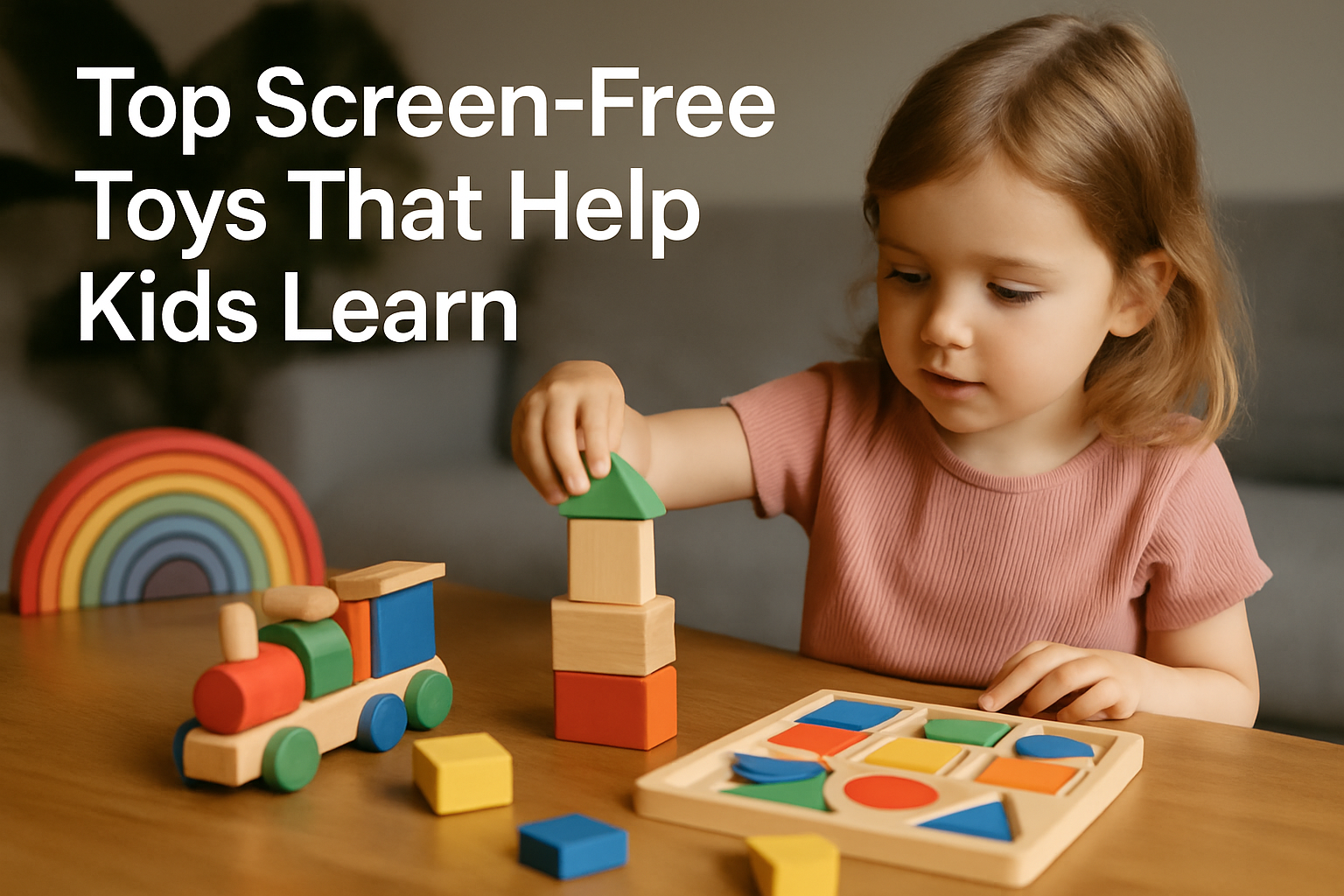

Sensory play is invaluable for toddlers as it directly contributes to their brain development and cognitive skills. Activities that engage multiple senses help children learn about the world around them. These experiences stimulate neural connections in areas responsible for sensory processing. Sensory play can range from manipulating textured materials to exploring various sounds and smells. It's vital in fostering not just sensory awareness but also fine motor skills, language development, and social interaction. As toddlers engage with different tactile experiences, they begin to understand cause and effect, enhancing their problem-solving abilities.
To facilitate sensory development, toys specifically designed for tactile exploration play a significant role. These toys often incorporate elements that allow children to touch, feel, and manipulate materials in engaging ways. For instance, various tool sets made from safe, flexible materials can help little hands practice grasping and squeezing. Interactive play with these toys encourages experimentation and creativity. Such tools enhance sensory experiences while allowing children to develop their motor skills through repetition and exploration.
Some examples of engaging toys include those that involve bending, sticking, or creating various shapes. These types of toys facilitate hands-on interaction and provide opportunities for imaginative play. As toddlers explore and experiment, they develop a range of skills necessary for effective communication and socialization. Screen-free playtime rich in sensory experiences prepares children for future learning adventures while nurturing their innate curiosity.
The connection between play and learning is exceptionally profound, especially when it comes to promoting STEM education. Engaging children in activities that incorporate science, technology, engineering, and mathematics concepts can be seamlessly integrated into their everyday play. Toys that encourage problem-solving and critical thinking skills are key to igniting a passion for these subjects. When children are given the opportunity to play with interactive tools or building sets, they inadvertently apply logical reasoning and engage with mathematical concepts without even realizing it.
Through hands-on experiences, children can experiment and learn through trial and error. This process is essential for developing a growth mindset, which fosters resilience and adaptability. Similarly, collaborative play allows children to engage with their peers, sharing ideas and solutions, which can lead to deeper understanding. Active participation in STEM-related play also boosts children's confidence in tackling complex subjects as they discover the joy of learning through exploration.
Moreover, toys designed to spark interest in STEM education can form the basis of educational discussions and challenges among peers. Team activities or individual projects that center on these concepts encourage further exploration and experimentation. In doing so, children develop a more profound appreciation for the subject matter, laying the groundwork for future academic pursuits. Screen-free playtime rich in STEM opportunities can inspire creativity and scientific inquiry, transforming play into a powerful educational tool.
Creative play is essential for the emotional and social development of children. It provides an avenue for self-expression, allowing them to explore their thoughts, feelings, and ideas safely. Engaging in creative activities can lead to increased self-confidence and facilitate communication skills. When children create, they experiment with different materials and techniques, which helps them develop a sense of autonomy and purpose. By allowing them the freedom to express themselves creatively, we help them cultivate resilience and an appreciation for the arts.
Toys that support arts and crafts play a significant role in fostering creative expression. These include a variety of materials that children can manipulate, such as modeling clay, drawing tools, and building kits. As they engage with these resources, children learn to think critically and make independent choices during the creative process. This form of play encourages innovative thinking and problem-solving skills as they devise new ways to bring their ideas to life.
Artistic play also serves as an emotional outlet, enabling children to process their experiences and feelings. By expressing themselves artistically, kids can communicate complex emotions that they might struggle to articulate verbally. Furthermore, sharing their creations can foster social connections, as children often collaborate on projects or share ideas and techniques with one another. Thus, engaging in screen-free play that emphasizes creative expression not only complements cognitive development but also nurtures emotional well-being and healthy social interactions.
Excessive screen time can hinder language development in children, leading to potential learning delays. Children who spend considerable time in front of screens often miss crucial opportunities for verbal interactions. This lack of engagement with caregivers or peers can result in a deficiency in vocabulary and overall communication skills. In contrast, screen-free toys that encourage imaginative play and problem-solving positively impact cognitive growth. These toys foster an environment where children can explore language-rich interactions, thereby enhancing their linguistic abilities.
Additionally, the rise of shorter attention spans has been notably linked to screen-based, passive activities. Studies have shown that children who engage predominantly with screens struggle to focus on tasks requiring sustained attention. Screen-free play, which demands active participation, challenges children to concentrate and think critically. Consequently, when children engage with physical toys, they often develop better problem-solving skills and creativity. This active style of play can combat the detrimental effects of passive entertainment and cultivate a more inquisitive mindset, crucial for their overall cognitive development.
Behavioral issues often manifest in children exposed to excessive screens. These issues are frequently tied to problems with self-regulation. Children who encounter screens regularly may find it challenging to manage their impulses, leading to outbursts or difficulties in social settings. Conversely, screen-free toys can provide an outlet for developing self-regulation skills. By engaging with toys that require negotiation or teamwork, children learn to manage their emotions and responses better. Therefore, fostering a screen-free play environment not only supports cognitive development but also aids in nurturing well-rounded behavioral traits.
The impact of screens extends into the realm of sleep, where exposure before bedtime can significantly disrupt melatonin production. Melatonin is a hormone that facilitates sleep, and its natural production is hindered when children are exposed to screens, with their bright blue light altering circadian rhythms. This disruption can lead to difficulty falling asleep and decreased overall sleep quality, which is vital for young brains. Screen-free activities, however, provide a peaceful transition to bedtime, promoting relaxation and encouraging healthier sleep patterns.
Sleep is essential for comprehensive brain development and emotional regulation. When children do not receive adequate sleep, they may exhibit increased irritability, reduced focus, and impaired emotional processing. The importance of quality sleep cannot be overstated, as it directly influences a child's ability to learn and interact positively with others. By guiding children toward screen-free activities earlier in the evening, caregivers can promote better sleep hygiene, ultimately leading to a foundation for healthier emotional and cognitive processing.
Moreover, engaging in screen-free play before bedtime nurtures an environment conducive to learning without the interference of disrupted sleep patterns. Activities such as reading, puzzles, or creative play stimulate the mind while allowing for a soothing pre-sleep routine. These practices foster learning and development without negatively affecting rest. Establishing a nightly routine that prioritizes screen-free interactions not only aids in consolidating a child's daily learning but also prepares them for restful nights, essential for optimal development and well-being.
The link between excessive screen time and childhood obesity has raised significant concerns among health professionals. Sedentary activities associated with screen usage contribute to reduced physical activity levels, which can lead to weight gain. In contrast, engaging in screen-free play promotes a more active lifestyle. Children drawn to toys that require physical engagement tend to develop better motor skills and maintain a healthier weight. Encouraging movement through play can combat the adverse effects of a screen-dominated lifestyle, leading to enhanced physical health.
Moreover, the importance of active screen-free play extends beyond weight management. Engaging in physical play fosters the development of coordination and balance, essential skills for growing children. This kind of play encourages exploration, creativity, and exercise, which are vital for holistic physical development. Active participation in play also cultivates important habits related to lifelong exercise and fitness, setting the stage for healthier choices as children grow into adulthood.
Additionally, integrating screen-free activities into daily routines helps combat the rise of ailments related to a sedentary lifestyle. Regular active play not only strengthens muscles but also improves cardiovascular health, reducing the risk of future health issues. Parents and caregivers play a pivotal role in modeling and facilitating these activities, creating an environment that values physical health through active, engaging play. This emphasis on movement through screen-free interactions contributes significantly to a child's overall well-being and development.
Screen-based entertainment can significantly limit the time children spend interacting with family and peers. This reduction in face-to-face interaction can impede their social skills, which are crucial as they develop into adulthood. Engaging with screen-free toys, however, encourages direct communication, collaboration, and the development of essential social skills. Children who play together learn to negotiate, share, and express themselves, fostering stronger emotional connections and friendships.
Communication skills are vital for children as they navigate social environments. Through screen-free play, children not only develop their ability to articulate feelings and ideas but also enhance their capacity to listen and understand others. Toys that require cooperative play or joint problem-solving stimulate rich conversations, reinforcing positive relationships. This active engagement helps bolster emotional intelligence, enabling children to respond to the emotions of others and develop empathy, a critical component of effective social interactions.
Furthermore, the cooperative nature of many screen-free activities promotes teamwork and collaborative problem-solving. Children engaged in such play learn to work together towards common goals, fostering patience and negotiation skills. These experiences are instrumental in developing a strong sense of community and emotional resilience. As they navigate the complexities of social interactions, children who regularly partake in screen-free play often show greater emotional stability and adaptability, skills that will serve them well throughout their lives.
Screen-free play offers myriad benefits that foster children's overall development. One of the most significant advantages is the improvement of cognitive skills. Engaging in play without screens encourages children to explore their surroundings and think critically. This exploration nurtures critical thinking as children navigate challenges and find solutions during imaginative play scenarios. Additionally, screen-free play enhances creativity by allowing kids to use their imagination without the constraints typically imposed by screen content. They can create their own worlds, stories, and games, fostering a sense of autonomy. The focus required in maintaining engagement in these activities also helps children develop better concentration and self-regulation skills, which are vital for academic success and personal growth.
Beyond cognitive advancements, screen-free play significantly enhances social skills. Interaction during play is crucial for learning how to communicate effectively and build relationships. Opportunities for peer and family interaction abound in screen-free activities, encouraging children to engage with others, share ideas, and work collaboratively towards common goals. These interactions promote emotional intelligence, allowing children to recognize and understand both their own feelings and those of others, which is essential for forming healthy relationships. Play scenarios often necessitate negotiation, sharing, and empathy, critical components of socialization that help children navigate complex social landscapes.
Physical health is another vital area positively impacted by screen-free play. Active play encourages movement, providing the physical activity necessary for maintaining a healthy lifestyle. Kids who engage in outdoor, interactive play are more likely to develop stronger muscles and bones and improve cardiovascular health. This physical activity also plays a significant role in reducing the risk of childhood obesity. By prioritizing outdoor play over screen time, children can enjoy the benefits of fresh air and physical exercise, contributing to their overall health. Furthermore, this engagement with the outdoors nurtures a connection with nature, fostering a sense of well-being and mindfulness.
Moreover, the behavioral outcomes tied to screen-free play are promising. Parents often notice fewer behavioral issues associated with aggression and emotional dysregulation in children who spend less time on screens. Engaging in traditional play allows children to express their feelings healthier and constructively, reducing the frustration that can arise from overstimulation caused by screens. Moreover, positive family interactions can be enhanced by screen-free play. Shared playtime offers families the chance to bond, communicate, and understand each other better. This connection provides children with a secure support system, which is critical for their emotional and behavioral development.
Lastly, healthy sleep patterns are influenced by reduced screen exposure. Screens emit blue light, which can disrupt melatonin production and negatively impact sleep quality. By engaging in screen-free play, especially in the evening hours, children can help their bodies prepare for sleep naturally. Establishing a routine that prioritizes healthy play over screen time can lead to significant improvements in sleep patterns. With better sleep, children experience enhanced mood, focus, and academic performance, contributing to their overall developmental health. This holistic approach to minimizing screen time ultimately promotes a balanced lifestyle for children, supporting their growth across various dimensions.
Selecting the right educational toys for children can be a delightful yet daunting task for parents and caregivers. Safety should always come first when choosing toys; opt for items made from non-toxic materials, and ensure they are age-appropriate to minimize risks. Each toy should meet the necessary safety standards, allowing children to explore their surroundings and play freely without endangering their health. Additionally, think about the specific developmental stages of your child. Toys that align with their age not only promote safety but also enhance their learning through engaging play.
Beyond safety, consider toys that encourage open-ended play. These types of toys allow for multiple uses and creative expression, cultivating imagination and problem-solving skills. Open-ended toys can range from simple building blocks to craft supplies, giving children the freedom to invent their own scenarios and solutions. Such toys foster creativity and adaptability, skills that are essential both in childhood and later in life. By offering versatile options, you invite children to explore their interests deeply while learning to think outside the box.
Aligning toys with your child’s specific interests is another effective way to enhance engagement and motivation. When toys resonate with a child’s passions—be it animals, art, or construction—they are more likely to dive into play and learning. Observing what fascinates your child can guide you toward toys that stimulate curiosity and align with their developmental needs. Moreover, prioritize toys that support hands-on interaction, encouraging tactile experiences that stimulate a child’s innate curiosity. These engaging activities can lead to vital developmental skills, allowing young minds to explore the world around them through active play.
Within the sphere of educational toys, several categories stand out for their potential to promote development while keeping children engaged. Dramatic play, for instance, plays a significant role in social-emotional learning. Items like dolls and dress-up clothes allow children to role-play different scenarios, fostering empathy and communication skills. Through dramatic play, kids learn to navigate social situations, express emotions, and collaborate with peers, all while having fun. This type of play is vital as it builds foundational skills necessary for interacting with others.
Another essential category includes construction sets, such as blocks and similar items which ignite creativity and spatial reasoning skills. These toys challenge children to think critically as they build and create structures, strengthening their fine motor skills and hand-eye coordination. The process of designing and constructing encourages patience and perseverance, as children learn that trial and error is part of the creative process. In addition to these benefits, construction play often leads to collaborative efforts, prompting teamwork and collective problem-solving.
Providing art supplies can also play a pivotal role in fostering children's expressive creativity. Tools like crayons, paint, and clay enable kids to express their feelings and thoughts visually. This form of creative expression is not only therapeutic but also stimulates cognitive development by enhancing critical thinking and allowing children to explore different materials and techniques. Lastly, don't overlook physical activity toys which promote movement and coordination, essential components of healthy development. Toys that encourage active play can include items such as balls or climbing structures, helping children build muscle strength and learn motor skills in a fun, engaging environment. By integrating various types of educational toys into playtime, you contribute importantly to your child's growth and development.
In a world where screens dominate children's attention, the importance of screen-free play cannot be overstated. Engaging kids in hands-on activities offers numerous benefits that cater to their developmental needs. One significant advantage is the promotion of learning through tactile experiences. When children interact with tangible objects, they activate their senses, which enhances cognitive development. Hands-on play encourages problem-solving skills as kids navigate their creations, experimenting and learning in a way that screens simply can’t replicate.
Moreover, screen-free play invites children to unleash their imagination and creativity. When provided with open-ended materials, kids can invent stories, build intricate worlds, and create characters, allowing for self-expression without boundaries. This type of imaginative play nurtures critical thinking and innovative skills. Children learn to think outside the box, adapting concepts and designs as they play, fostering a lifetime of creativity.
Additionally, screen-free play inherently promotes physical activity. Traditional toys like balls, jump ropes, or even simple crafts require movement, which is essential for healthy physical development. Active play helps improve motor skills, coordination, and overall fitness. Engaging in physically active screen-free toys is particularly important, as it balances sedentary screen time and contributes to healthier lifestyle choices from an early age.
Creating DIY screen-free toys can be a delightful way to foster creativity and engagement in children. Many simple projects utilize materials easily found around the house, making it an accessible option for families. For instance, cardboard boxes can be transformed into anything from cars to castles. By adding paint, markers, or stickers, children can customize their creations, ensuring unique and personalized play experiences. This type of activity allows kids to take ownership of their playthings while nurturing their crafting skills.
Another excellent idea for a DIY screen-free toy includes paper crafts. Children can create puppets, dolls, or even origami figures using just paper and some basic supplies like scissors and glue. These activities not only stimulate fine motor skills but also inspire storytelling as kids create scenarios for their paper figures. Involving children in the creation process allows them to explore various textures and shapes, developing their artistic sensibility as they go along.
Sensory play items are also fantastic DIY screen-free toys. Parents can create various sensory bins filled with materials such as rice, beans, or sand and complement them with scoops, cups, and small toys. This kind of play is vital for cognitive and sensory development, as children learn through exploration and discovery. Sensory play encourages creativity, invites problem-solving, and helps with emotional regulation. By mixing different textures and materials, children can express their curiosity and find joy in the simplicity of play.
Overall, DIY screen-free toys offer a multitude of benefits. They not only engage children's minds and bodies but also provide parents with an opportunity to connect with their children through creative projects. The process of making and using these toys is a rewarding experience, fostering a strong bond built on imagination and shared activities.
In an age of technology, the charm of traditional board games endures, particularly in the realm of education. Board games have become a vital tool in child development, merging fun with learning in an appealing way. They engage various cognitive skills and offer children a unique platform to explore concepts from critical thinking to teamwork, making learning an adventure rather than a chore. These games can be particularly beneficial for children, creating a conducive environment for educational growth while simultaneously encouraging social interaction and communication skills.
Educational board games cover a multitude of subjects, making them versatile learning tools. From mathematics to language arts, these games can be designed to teach, reinforce, or challenge students' understanding in a playful manner. Each game introduces players to new ideas, presents problems to solve, and fosters strategic thinking. By integrating gameplay into education, children may develop a passion for learning that can extend beyond the board into other areas of life. It’s this blending of play and education that sparks interest and deepens understanding, transforming abstract concepts into tangible experiences.
As parents and educators seek effective strategies to enhance learning, the allure of educational board games is hard to resist. They not only promote essential academic skills but also cultivate social abilities such as collaboration, patience, and sportsmanship. The joy of winning, the lessons learned in losing, and the skills nurtured through teamwork and communication are all valuable life lessons that are seamlessly woven into every game session. This transformative power of board games has led to their increasing popularity in homes and classrooms alike, highlighting their importance in contemporary education.
When it comes to nurturing a child’s understanding of mathematics, there are several educational board games specifically designed for math practice. These games often incorporate elements of strategy and competition, making the learning process engaging. Through gameplay, children can explore mathematical concepts like addition, subtraction, multiplication, and even complex problem-solving without feeling overwhelmed. They encourage children to exercise their cognitive skills in a fun environment, gradually improving their numerical literacy as they play.
In addition to mathematics, board games that focus on language and spelling are excellent for enhancing language skills. They support vocabulary building, spelling practice, and even enhance comprehension through context-based play. Such games require players to form words from given letters or create sentences, which can greatly improve linguistic abilities. By participating in these games, children become more confident in their language use, often translating these skills into their academic performance. The interactive nature of these games encourages students to experiment with language, actively engaging them in the learning process.
Games that focus on logic skills present another effective avenue for educational growth. They foster critical thinking and problem-solving abilities, encouraging players to devise strategies and adapt their tactics as the game progresses. Through puzzles and challenges, children learn to analyze situations, make decisions based on deductions, and sometimes even collaborate to overcome obstacles. These games cultivate a sense of accomplishment and build resilience, which are essential traits in both academic and personal pursuits. By introducing logic games into their routine, children can enhance their cognitive abilities while enjoying the social aspects of gaming.
Screen-free toys play a pivotal role in fostering the developmental needs of children in various ways. In reviewing the array of these educational toys discussed, it is evident that they provide significant benefits, promoting creativity, problem-solving skills, and physical activity. For instance, toys that encourage imaginative play can enhance cognitive abilities while also allowing children to express themselves. Furthermore, tools that require children to manipulate parts or engage in construction can improve fine motor skills and hand-eye coordination, essential components of early development. This range of benefits highlights how screen-free toys serve not just as entertainment but as vital instruments for learning and growth.
As we consider the benefits of screen-free play, it is essential to acknowledge the increasingly critical impact of reducing screen time on child development. Children immersed in creative play with their hands and minds develop deeper social connections, as such play often involves collaborative activities with peers. This interaction can foster emotional intelligence, as children navigate social dynamics, learn to share, and practice empathy. Moreover, the absence of screens means less exposure to overstimulation, allowing children to engage meaningfully with their environment and develop focused attention skills. The cumulative effects of these experiences contribute to well-rounded individuals equipped to face both academic and social challenges.
For parents looking to enhance their child's development, the recommendation is clear: prioritize screen-free play in daily routines. Incorporate a variety of educational toys that promote exploration and creativity. Encourage activities that require physical movement, social interaction, and problem-solving. Additionally, setting aside time for unstructured play allows children to innovate and discover independently. In doing so, parents can cultivate an environment where their children thrive—developing essential life skills and an enduring appreciation for learning outside the constraints of screens. This proactive approach to integrating screen-free play into everyday life can significantly impact children’s long-term well-being, preparing them for a healthier, more engaged future.



Importance of Screen-Free Play Enhancing Sensory Development Sensory play i...


Importance of Screen-Free Play Enhancing Sensory Development Sensory play i...