Black Friday 2026: The 10 Toy Deals Grandparents Are Ordering Early
IntroductionWhy do educational toys matter so much in a child's development? ...

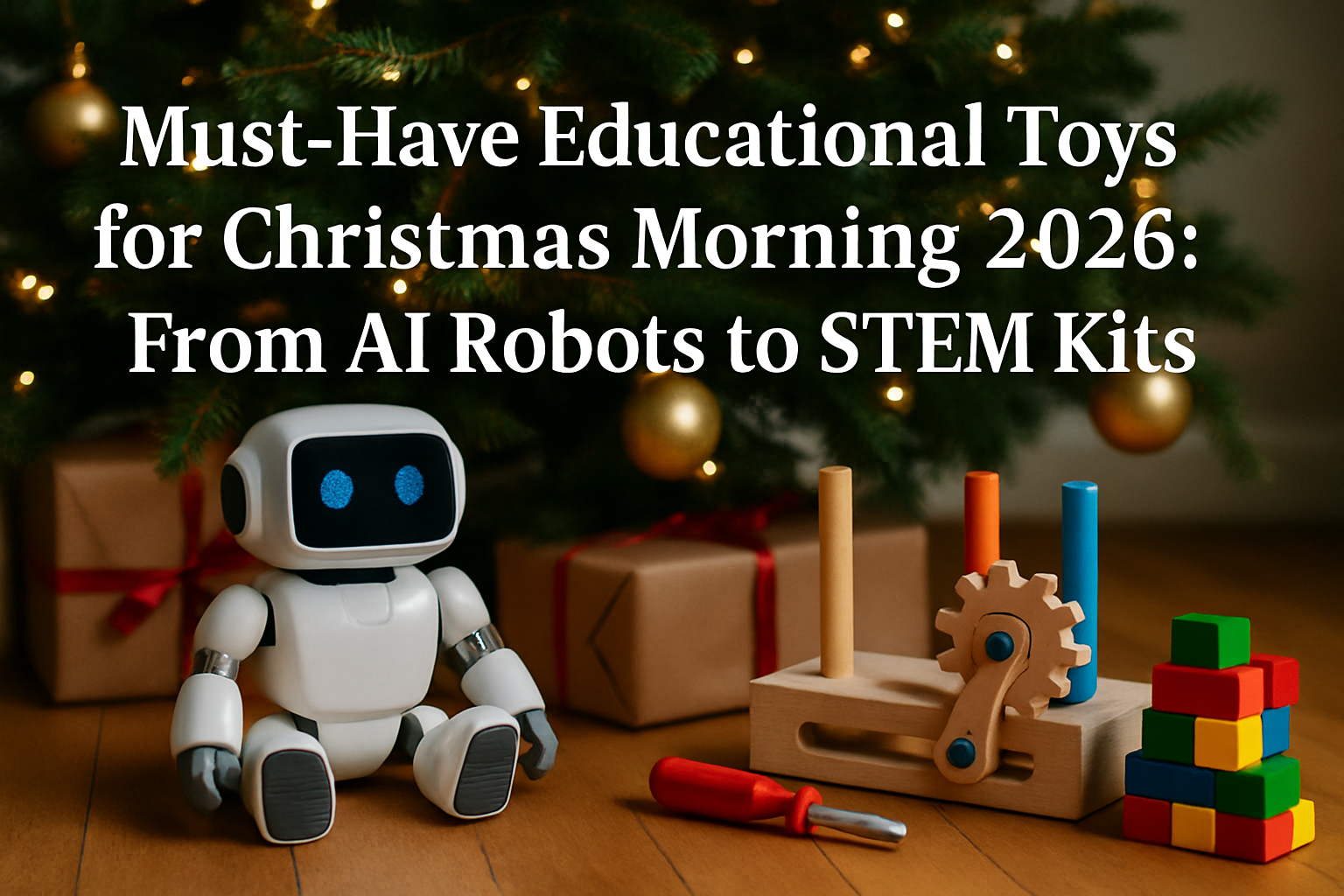

Why do educational toys matter so much in a child's development? Research has consistently highlighted the profound impact these toys have on enhancing cognitive skills, fostering creativity, and promoting problem-solving abilities. Educational toys aren't just playthings; they serve as interactive tools that stimulate a child's imagination while simultaneously teaching essential concepts. This transformation benefits children of various ages, promoting learning through play, which is known to be one of the most effective ways for kids to absorb information. When children engage with toys designed to educate, they learn to think critically and develop a deeper understanding of the world around them.
Furthermore, the holiday season is an ideal time to gift educational toys. Families are often looking for meaningful and impactful gifts during this time. By choosing educational toys, parents and relatives can play a significant role in supporting children's learning and development. Giving educational gifts not only enriches a child's playtime but also shows a commitment to their growth. In a world where children are increasingly bombarded by screens and passive entertainment, gifting educational toys offers a perfect balance by providing opportunities for engagement and active learning.
Current trends indicate a rising awareness of the importance of educational toys in child development, fueled by technological advancements and increased accessibility of high-quality options. Today, there is a rich variety of educational toys available, from AI-driven robots to DIY STEM kits. The 2026 holiday season is expected to feature an even broader selection, making it crucial for parents to stay informed about the best choices for their children's educational needs.
The educational toy market is currently witnessing exciting trends that reflect a growing emphasis on learning through play. Today's toys are more than simply entertaining; they are designed to promote critical thinking, creativity, and problem-solving skills. Interactive and tech-driven toys, particularly those that focus on STEM education, are gaining considerable traction. These toys often incorporate elements like programming and robotics, keeping pace with the modern educational landscape that values science, technology, engineering, and mathematics. The preference for educational toys that are both fun and informative points to a shift in how parents view the role of play in learning.
Looking ahead to 2026, predictions suggest that the market for educational toys will continue to evolve significantly. A surge in demand for advanced, intuitive toys that encourage hands-on learning experiences is anticipated. As educational priorities become increasingly intertwined with technology, toys that integrate augmented reality or artificial intelligence will likely set new standards. Parents are keen on selecting toys that not only entertain but also provide an enriching experience, allowing children to explore new concepts and ideas. This evolution is further propelled by a cultural shift towards valuing educational experiences in play, enhancing the way children interact with their toys.
In summary, as we approach the holidays in 2026, the market for educational toys appears poised for significant growth, with an emphasis on innovation and educational value. Reinforcing this trend is the recognition that as children play, they are not just enjoying their time; they are also developing essential skills that will serve them well into adulthood. This makes the selection of educational toys more important than ever, as parents look to provide gifts that align with their children's learning journeys and holistic development.
STEM education—encompassing science, technology, engineering, and mathematics—plays a vital role in today’s learning ecosystem. It encourages problem-solving, critical thinking, and creativity, laying the foundation for children to thrive in a technology-driven world. As awareness of the significance of STEM education grows, so does the demand for toys that facilitate this learning approach. STEM toys range from simple logic puzzles to intricate robotics kits, engaging children in learning activities that inspire curiosity and exploration.
Several brands have emerged as leaders in the STEM toy market, offering diverse products designed to cater to various age groups and skill levels. These toys often combine educational content with hands-on experience, allowing children to absorb concepts while having fun. Features might include programmable robots, engineering kits that promote construction and design, and science kits that ignite a passion for exploration. By participating in activities related to these toys, children can develop skills that are increasingly important for future careers, such as analytical thinking and teamwork.
When exploring the purchasing options for STEM toys, parents can typically expect a wide price range that reflects the complexity and educational value of the toys. Some more affordable options cater to younger children or focus on fundamental concepts, while high-tech offerings may target older kids with advanced functions and extensive components. Regardless of the price point, the main goal remains to engage children in interactive learning experiences that encourage STEM-related skills.
Artistic skills are paramount for children’s growth and development. Engaging in creative activities fosters imagination, helps with emotional expression, and enhances fine motor skills. Children who participate in art-based play not only enjoy the process but also learn to think critically and solve problems creatively. As a result, it’s essential to integrate artistic and creative toys into children’s playtime, promoting a holistic developmental approach.
Among the most sought-after creative toys are those that cater to different age groups and interests. Younger children may benefit from simple art supplies such as crayons, markers, and building blocks that stimulate free expression. As they grow, they can graduate to more complex artistic kits that teach them techniques like painting or sculpting. These toys often encourage collaboration and social interaction, further enriching the creative play experience. Inclusivity is also a significant factor; many brands are prioritizing accessibility, providing options that cater to children with varying abilities and needs to ensure that every child can engage in artistic exploration.
Inclusivity in creative toys is becoming increasingly important. From adaptive tools that assist children with disabilities to kits that reflect diverse cultures and stories, the landscape of artistic play is expanding. As toys become more inclusive, they not only allow for a broader range of creative expression but also help children understand and appreciate diversity. This approach fosters empathy, acceptance, and collaboration among peers, making artistic play a powerful vehicle for social growth.
Interactive learning toys have revolutionized the way children engage with education through play. These toys blur the lines between traditional learning methods and modern technologies, offering children immersive experiences that enhance their learning. The benefits of utilizing interactive toys are numerous, including increased engagement, motivation, and retention of knowledge. Rather than passively consuming information, children actively participate in their learning journey, which can lead to deeper understanding and long-lasting results.
For 2026, some of the best examples of interactive learning toys combine technology with creative play. These may include toys that adapt to a child’s learning pace, offering personalized challenges and feedback. Additionally, toys that integrate augmented or virtual reality elements are becoming popular, providing immersive educational experiences in everything from ecosystems to historical events. Such interactive environments not only captivate children’s attention but also make learning fun and relevant.
User reviews and ratings are essential in assessing the effectiveness of interactive toys. Parents often share valuable insights about how these toys have impacted their children’s learning outcomes and engagement levels. Many reviews highlight improvements in skills such as critical thinking and adaptability, reinforcing the value of incorporating interactive toys into playtime. As parents seek tools that promote active learning, the popularity of interactive toys will likely continue to rise, paving the way for innovative educational experiences that capture the essence of play-based learning.
STEM education, encompassing science, technology, engineering, and mathematics, has become a vital component of modern learning. The significance of STEM lies in its ability to encourage critical thinking, problem-solving, and creativity in young learners. As the world becomes increasingly technology-driven, equipping children with the skills to navigate this landscape is essential. STEM education fosters these competencies and prepares children to be innovative thinkers, adaptable to various challenges in their future careers.
The benefits of STEM learning extend beyond purely academic skills; it plays a crucial role in children's cognitive and social development. Engaging with STEM concepts allows children to explore and understand the world around them better. Through hands-on projects, they develop essential cognitive functions such as logical reasoning and analytical skills. Additionally, STEM activities often promote collaboration and communication among peers, enhancing social skills as children work together to solve problems and share ideas. As such, the growing popularity of STEM kits reflects a shift in educational approaches and parental priorities, marking an increased awareness of the importance of providing children with enriching, educational resources at home.
In recent years, the popularity of STEM kits has surged among parents and educators alike. These kits offer a structured way for children to engage with STEM concepts outside the traditional classroom setting. They often combine fun with learning, ensuring that children are not merely passive recipients of knowledge but active participants in their educational journeys. This trend highlights a recognition that early exposure to STEM can ignite a lifelong passion for understanding and manipulating the natural and technological worlds. As the demand for STEM education grows, the market has responded with a plethora of diverse kits designed to meet the varying needs and interests of young learners.
When considering which STEM kits to review, it’s crucial to assess how effectively each kit teaches core STEM concepts. A key component in the evaluation process should be the clarity and educational integrity of the materials provided within each kit. Kits should not only introduce basic principles but also facilitate deeper understanding through hands-on, engaging activities. This ensures children grasp complex ideas, which helps them to connect their learning with real-world applications.
Furthermore, alignment with current educational standards is an important factor in the selection of STEM kits. The best kits should directly correlate with established learning objectives and standards set forth by educational authorities. This alignment ensures that children are not only learning but are also able to demonstrate their knowledge in ways that are recognized academically. Engaging with a kit that meets these standards can fortify the foundations of a child's education while enabling them to explore beyond the classroom.
Additionally, defining the appropriate age ranges for each kit is paramount to ensure safety and engagement. Kits designed for younger children should feature simpler tasks and materials that are safe for little hands, while older children may benefit from more complex challenges that stimulate critical thinking. The skill levels and complexity of tasks within the kits must cater to a diverse range of learners, encouraging growth and confidence in their abilities. By carefully evaluating these criteria, educators and parents alike can make informed decisions on which STEM kits best suit the developmental needs of their children.
As we delve into the top STEM kits of 2026, it is essential to highlight their unique features and how they cater to different learning styles and interests. Many kits offer a variety of projects that engage children in hands-on activities, fostering an experiential learning environment. The diversity in focus areas—ranging from robotics to simple circuitry to chemistry experiments—ensures that there is something for every budding scientist or engineer.
User feedback plays a crucial role in evaluating the effectiveness of these kits. Many parents and educators report high levels of engagement among children when using well-designed STEM kits. Children are more likely to immerse themselves in learning when they are intrigued and actively participating in the process. Reviews detail how certain aspects, such as interactive components or collaborative challenges, significantly enhance the learning experience, verifying that the kits are not only educational but also enjoyable.
Moreover, the engagement levels of these kits reflect on their effectiveness in teaching STEM topics. Parents frequently highlight the conversation sparked by these kits, as children share their findings and experiences. This social aspect of learning showcases the kits' ability to bridge educational concepts with real-life applications. As STEM kits evolve each year, the emphasis remains on creating enriching tools that not only teach but also inspire the next generation of innovators.
AI robots are increasingly becoming integral to the educational landscape. Defined as automated systems designed to interact and assist in learning processes, these robots leverage artificial intelligence to adapt and respond effectively to students' needs. Their primary purpose in education is to serve as tools that facilitate personalized learning experiences. By integrating AI robots into the classroom, educators can create a more interactive and engaging environment where students feel motivated to participate actively in their learning.
Currently, various AI technologies are implemented in children's education, enhancing the learning experience. These technologies can facilitate language learning, problem-solving, and even social interaction. For instance, some robots are programmed to recognize emotional cues from students, enabling them to adjust their teaching approaches accordingly. This adaptability not only strengthens student engagement but also helps in maintaining a conducive learning atmosphere. Educational institutions that harness these technologies find that students express higher levels of interest and enthusiasm during lessons.
As educators explore these capabilities, it's essential to understand the underlying technologies that power AI robots. Machine learning, natural language processing, and robotics form a triad that enables these robots to interpret data and interact more dynamically with students. Consequently, educators can tailor lessons uniquely suited to the diverse learning styles of their students. This incorporation of AI robots in education signifies a shift toward a more technology-driven and responsive educational framework, setting the stage for innovative learning methods.
The integration of AI robots in education brings a multitude of benefits, particularly in enhancing student engagement and motivation. Traditional teaching methods often struggle to capture the attention of young learners, yet interactive robots can stimulate interest through immersive experiences. These robots facilitate hands-on learning, allowing students to engage in tasks that are both educational and entertaining. When children interact with intelligent robots, they are more likely to invest time and effort into their studies, significantly boosting their motivation and enthusiasm to learn.
Moreover, AI robots are instrumental in creating personalized learning paths for students. Each child has a unique learning style, and AI robots can analyze individual performance data to adapt lessons to suit specific needs. For instance, if a student excels in mathematics but struggles with reading comprehension, an AI robot can allocate more resources and exercises in reading while continuing to challenge them in math. This tailored approach not only enhances learning efficiency but also fosters a sense of accomplishment among students, reinforcing their desire to learn and grow academically.
Furthermore, the interactive nature of AI robots promotes the development of critical thinking and problem-solving skills. As students engage with robots in various activities, they are presented with challenges that require them to think creatively and strategically. This process encourages a deeper understanding of subjects and nurtures cognitive abilities essential for future learning. The opportunity to collaborate and interact with AI robots also helps children develop social skills and teamwork as they navigate tasks together. Overall, the educational benefits of AI robots extend far beyond conventional teaching methods, preparing students for a rapidly evolving future.
While AI robots offer numerous advantages in education, they also present a range of challenges and considerations that cannot be overlooked. One significant hurdle is the current technological limitations. Despite the advancements in AI, robots may not yet have the capability to fully understand complex human emotions or adapt to every learning scenario. These limitations can result in a less effective learning experience for some students, making it crucial for educators to supplement robotic interaction with traditional teaching methods.
In addition to technological boundaries, there are ethical concerns surrounding the use of AI robots in educational settings. Issues such as screen time implications and the potential for data privacy violations must be carefully considered. As children interact with AI-driven technologies, educators need to maintain a cautious approach to ensure that the deployment of these tools does not lead to excessive screen exposure or negative psychological impacts on students. This calls for a balanced integration manner that emphasizes face-to-face interactions alongside robotic assistance.
Moreover, potential barriers to implementation in schools pose another challenge. Many educational institutions may lack the funding or infrastructure necessary to incorporate AI technologies effectively. This disparity can lead to inequalities in educational opportunities, whereby some students benefit greatly from advancements while others remain disadvantaged. For successful integration, schools need to pursue strategic partnerships, professional development for teachers, and adequate resource allocation. Addressing these challenges is critical for unlocking the full potential of AI robots in revolutionizing educational experiences across diverse learning environments.
The market for educational toys has witnessed significant transformation in recent years, largely owing to an increased awareness of their importance in fostering child development. Parents and educators alike recognize that educational toys are not just tools for play; they are instrumental in shaping critical skills that children will rely on throughout their lives. Current trends highlight the shift toward toys that promote interactive learning, problem-solving abilities, and creativity, making them a staple in modern childhood experiences.
As society evolves, so too does the understanding of what constitutes effective educational play. Educational toys are now designed to engage children in a manner that nurtures their cognitive, emotional, and social growth. This shift underscores the need for stakeholders in the toy industry to continuously innovate, ensuring that their offerings are not only fun but also enriching. The growing body of research on early childhood development supports the idea that meaningful interactions facilitated by educational toys can lead to better outcomes in areas such as literacy, numeracy, and social skills.
In response to these trends, educators and parents actively seek toys that align with developmental milestones, making informed choices based on the unique needs of their children. This has sparked a dynamic market for educational toys that balance entertainment with learning, indicating a future where educational outcomes are valued alongside traditional notions of play.
The current landscape of educational toys features several trending categories that are capturing the attention of parents and teachers. One notable trend is the rise of STEM-focused toys. These toys, which emphasize science, technology, engineering, and mathematics, aim to foster critical thinking and problem-solving skills. They often encourage hands-on experimentation and exploration, promoting a passion for learning in subjects that are essential in today’s technologically driven world.
Robotics and programming toys also dominate the market, attracting children with their engaging and interactive nature. These toys introduce kids to coding concepts in a playful way, equipping them with skills that will be increasingly important in the future job market. The integration of play and technology helps demystify complex subjects, making them accessible and enjoyable for young learners. As children engage with these toys, they not only learn fundamental programming skills but also develop patience and perseverance through trial and error.
In addition to STEM and robotics, eco-friendly materials have gained traction among consumers concerned with sustainability. Parents are increasingly prioritizing toys made from biodegradable or recycled materials, reflecting a broader societal shift towards environmental consciousness. This trend highlights the importance of teaching children about sustainability from a young age, ensuring they grow up to be responsible stewards of the planet.
Digital and interactive toys represent another fast-growing segment. These often incorporate augmented reality and online platforms, providing children with immersive experiences that blend physical play with digital interaction. This hybrid approach not only enhances engagement but also offers educational content in new, exciting ways that resonate with tech-savvy younger generations. As educational toys continue to evolve, staying attuned to these trends will be essential for anyone looking to invest in or develop products in this vibrant market.
Educational toys are a fantastic way for children to learn while having fun. With an ever-expanding market, parents can find top-rated options that cater to various learning styles and interests. When it comes to interactive learning games, these toys engage children directly, often combining digital and physical play. Such games typically encourage critical thinking, problem-solving, and collaboration. They allow kids to explore subjects like mathematics, science, and language arts through stimulating and enjoyable activities. Whether in the form of apps integrated with physical products or traditional board games that promote social interaction, the value of engagement in education cannot be overstated.
Building sets represent another popular category of educational toys that inspire creativity and innovation. These sets allow children to construct their own models, which can range from simple structures to intricate designs. Through the process of building, kids develop essential skills such as spatial awareness and fine motor control. Such toys also enhance cognitive abilities by challenging children to think critically about the placement of each piece and the overall design of their project. As children explore their imaginations, they also embrace the trial-and-error process, leading to valuable lessons around perseverance and problem-solving.
Additionally, puzzle and problem-solving games are invaluable in honing a child’s cognitive capabilities. These toys typically encourage logical thinking and strategic reasoning while helping kids develop patience and focus. Through the challenge of solving these puzzles, children learn to break down problems into manageable steps. This cognitive development is fundamental as it lays the foundation for future academic and life skills. Many puzzles also promote teamwork and collaboration when approached in groups, making them versatile choices that support both individual growth and social interaction.
When choosing educational toys, safety considerations should always be at the forefront of a parent's mind. Ensure that the toys are made from non-toxic materials and have no small parts that could pose choking hazards to younger children. Age-appropriateness is another critical factor. Toys should align not only with the child’s current developmental stage but also offer the potential for growth. For instance, while a toy might be suitable for toddlers, it may not provide adequate stimulation for older children. Striking a balance between challenge and safety ensures that children can explore and learn without unnecessary risks.
Educational value is paramount in ensuring that the toy serves its purpose effectively. Parents should evaluate how each toy supports specific areas of learning, such as literacy, numeracy, or social skills. It is also beneficial to engage children in the decision-making process. Involving them in selecting toys can lead to increased interest and motivation to learn. Observing a child's response to different types of toys can provide insight into their unique interests and learning preferences, guiding more informed choices in the future.
Moreover, it’s essential to consider the longevity of the educational benefits a toy may provide. Toys that can adapt to various learning levels or that offer new challenges as the child grows tend to be more valuable over time. Parents are encouraged to look for toys that can diversify learning experiences, keeping playtime fresh and exciting. By focusing on safety, educational value, and adaptability, parents can make informed decisions and select toys that will not only entertain their children but also equip them with vital skills for their future.
When selecting educational toys, parents and guardians should pay careful attention to several important factors. Safety is paramount, as children's wellbeing is always a priority. Look for toys that meet established safety standards and certifications. These certifications assure consumers that the products have undergone rigorous testing for hazards, such as choking risks or the presence of harmful chemicals. In addition to safety, consider the age appropriateness of the toy, as it should align with the child's developmental stage, ensuring that they can engage with the toy effectively and safely.
Educational value is another critical aspect to assess. Educational toys should be designed to promote skill development in areas like cognitive thinking, problem-solving, creativity, and social interaction. Evaluate the specific skills that the toy aims to develop and how well it aligns with your child's interests and learning goals. For example, some toys might focus on STEM (science, technology, engineering, mathematics) learning, while others might enhance linguistic skills or artistic expression. Understanding what educational opportunities a toy provides can aid parents in making informed decisions that benefit their child's growth and development.
Moreover, consider the design and durability of the toys. High-quality materials often translate to longer-lasting products that can endure the wear and tear of play. Toys that come with clear instructions for both structure and play allow parents to better facilitate engagement, helping children derive maximum educational value from their experience. It is wise to read reviews and seek recommendations from other parents or educators to narrow down options that satisfy both safety and educational criteria.
When it comes to purchasing educational toys, consumers have the choice of online vs. physical stores, each with its own advantages. Online shopping offers the convenience of browsing a wider range of options from the comfort of home. Additionally, many online retailers provide customer reviews, which can be helpful in gauging the educational value and safety of different toys. However, it is essential to evaluate the seller's credibility and read return policies, especially when purchasing items that must meet specific safety standards.
Physical stores provide the benefit of hands-on interaction with toys, allowing parents to see sizes, textures, and engagement potential firsthand. Shopping in person also enables quicker decision-making and immediate possession of the toys without waiting for shipping. Many shops dedicated to toys focus specifically on educational products, showcasing items that meet rigorous educational standards. Parents can often seek advice from knowledgeable staff, helping guide decisions based on specific developmental goals.
In 2026, several recommended retailers are expected to stand out for their selection of educational toys. These include specialty toy stores that emphasize educational value, as well as well-known chain stores that carry a curated assortment of quality toys. Keeping an eye on emerging online platforms that cater to educational products can also yield exciting new options. Ultimately, wherever the purchase is made, it's essential to ensure that the toys meet safety certifications and provide the intended educational benefits for children's growth and development.
Educational toys play a vital role in the developmental journey of children. They serve as engaging tools that foster learning while ensuring that children enjoy the process. The significance of these toys extends beyond mere entertainment; they provide essential opportunities for children to explore, experiment, and express their creativity. As parents and caregivers seek ways to support their children's growth, they should remember that the right toy can enhance cognitive skills, fine motor development, and social abilities. Choosing educational toys that align with a child's interests can be a powerful catalyst for learning and curiosity.
As the festive season approaches, the emphasis on thoughtful gifting becomes increasingly important. Gift-giving during Christmas should focus on value—both in terms of the joy it brings and the knowledge it imparts. It's essential to consider the developmental appropriateness of gifts, ensuring that they resonate with the child's age and learning stages. Mindful gifting not only fosters stronger connections between giver and receiver but also contributes to a child's growth. By selecting educational toys that stimulate both the mind and spirit, we can make gifting a more meaningful experience.
This holiday season, let’s prioritize gifts that offer lasting benefits. Thoughtfully chosen educational toys can pave the way for a year filled with discovery, learning, and fun. As we encourage the younger generation to explore their skills and talents, we also ensure that the spirit of play accompanies their growth journey. Emphasizing quality and educational value will result in gifts that enrich a child's life far beyond the festive season, setting them up for future success and well-rounded personal development.
Educational toys have become a cornerstone in modern childhood, sparking interest and curiosity in young minds. These toys can be defined as items designed to facilitate learning through play, encompassing various categories such as building sets, puzzles, art supplies, and electronic learning devices. Each type serves distinct educational purposes, allowing children to explore different concepts ranging from mathematics and language to science and technology. By engaging with educational toys, children are not just occupied; they are actively participating in a developmental process that can significantly enhance their academic readiness and overall growth.
The role of educational toys in child development extends beyond mere entertainment. They provide opportunities for experiential learning, where children can explore cause and effect, experiment with new ideas, and develop spatial awareness. For instance, toys that encourage construction and engineering help children understand basic physics principles, while musical instruments introduce them to rhythm, melody, and sound patterns. It is through such interactions that children build foundational skills critical for later learning experiences. Moreover, the sensory engagement provided by various textures, colors, and sounds helps stimulate cognitive functions and supports the development of higher-order thinking skills.
The benefits of educational toys are multifaceted, significantly impacting different areas of a child’s development. One of the primary advantages is the enhancement of cognitive development. Through playful exploration, children can hone their problem-solving abilities and critical thinking skills. Puzzles, for example, require children to think strategically, as they visualize the completed image and align pieces to match. This process enhances their cognitive flexibility, as they learn to adjust their strategies when faced with challenges, fostering resilience and determination.
In addition to cognitive growth, educational toys promote creativity and problem-solving. Arts and crafts materials, for example, allow children to express themselves uniquely and explore their imagination without constraints. This freedom fosters innovative thinking, encouraging children to devise their own methods to create and play. Similarly, open-ended toys, such as building blocks, challenge youngsters to think divergently, as they possess numerous ways to assemble and use them. This type of play nurtures a child’s capability to think outside the box, skills that are essential in later stages of life.
Moreover, educational toys provide a platform for social skill development. When children engage in play with peers or adults, they practice collaboration, negotiation, and communication. Games that require teamwork or role-playing scenarios teach them to share, take turns, and respect others’ perspectives. Such interactions not only enhance their social understanding but also help them manage emotions and resolve conflicts. As they navigate through these social situations, children develop a sense of empathy and learn valuable lessons about camaraderie, making educational toys an essential tool in fostering emotional intelligence alongside cognitive and creative growth.
Encouraging learning and creativity in children is a paramount concern for parents and educators alike. Unique educational gifts that stimulate a child's imagination and curiosity can have a lasting impact on their cognitive development. Gifts designed to encourage play while simultaneously fostering a love for learning are becoming increasingly popular. The emphasis on not just traditional subjects but also non-traditional learning experiences adds value to these gifts, making them vital in a child’s educational journey.
Supporting different learning styles is also essential when selecting educational gifts. Each child learns differently—some may excel in hands-on activities, while others may prefer auditory or visual learning. As a result, gifts that cater to various learning styles enhance the educational experience for all children. For example, tactile toys or building sets can engage children who learn best through doing, while books or interactive story-based games can capture the interest of those who thrive on storytelling and visualization. By offering a range of educational gifts, caregivers can ensure that they meet the needs of every child.
The promotion of critical thinking is another trend that shapes the selection of educational gifts. Gifts that challenge children to solve problems, think creatively, and make decisions foster essential life skills. These can range from puzzles that require logical reasoning to kits that involve scientific experimentation. Focusing on STEAM (Science, Technology, Engineering, Arts, and Mathematics) education, many gifts aim to integrate multiple disciplines into a single playful experience, preparing children for future academic and professional challenges. Moreover, the integration of technology in educational gifts introduces children to computing and coding skills at an early age, ensuring they stay relevant in an increasingly digital world.
Sustainability and eco-friendliness are also becoming core factors in the development of educational gifts. As awareness of environmental issues rises, parents are seeking eco-conscious options that teach children the importance of sustainability through play. Gifts made from recycled materials or that promote environmental awareness enable children to learn about their world and the importance of taking care of it. This trend ensures that children not only develop intellectually but also grow into responsible and aware citizens. By choosing educational gifts that emphasize sustainable practices, parents can instill values of responsibility and care for the planet in their children from a young age.
The educational toy market is poised for remarkable growth in the coming years, with projections indicating a substantial increase in both demand and revenue. Market analysts forecast that this sector will expand significantly due to evolving consumer preferences, increasing awareness of early childhood education's importance, and the incorporation of technology into toys. This growth is further fueled by parents’ and educators’ recognition of the value of learning through play, leading to an intensified focus on products that combine fun and educational benefits. As families seek means to support their children's development more holistically, the appeal of educational toys grows, aligned with the trend toward engaging learning experiences.
Consumer preferences are shifting towards toys that promote STEM (Science, Technology, Engineering, Mathematics) education, critical thinking, and creativity. Parents are increasingly inclined to purchase toys that offer multi-faceted learning experiences rather than traditional play items. Insights show that consumers desire products that can adapt to different ages and provide progressive levels of learning as children grow. This shift emphasizes the importance of versatility and educational value in toy selection. Furthermore, the demand for eco-friendly materials and sustainable production practices is gaining traction, indicating a broader societal trend toward environmental consciousness among consumers.
Innovations in educational toys are key to meeting diverse demographic needs. Companies are now focusing on creating products that cater to various age groups, from infants to early school-aged children, ensuring that each toy offers appropriate educational value tailored to its intended audience. Additionally, there is a growing emphasis on incorporating technology into educational toys, such as interactive features and applications that augment the learning experience. These advancements not only enhance engagement but also allow for personalized learning paths that cater to individual interests and learning speeds. As the industry evolves, the integration of software technology, combined with traditional play patterns, is expected to redefine the educational toy segment, making it more attractive to both parents and educators alike.
Safety in educational toys is of paramount importance, as these items are designed for young children who may be more vulnerable to hazards. Toys that do not adhere to safety standards can lead to serious injuries or health issues. For instance, small parts can pose choking hazards, while materials that are not non-toxic can lead to exposure to harmful chemicals. The primary aim of educational toys is not only to stimulate learning and development but also to ensure the safety of the child using them. Parents and caregivers need to be aware of safety standards to safeguard their children effectively.
Unsafe toys can present a range of hazards, including choking, cuts, or exposure to toxic substances. Reports have shown that many toys, despite being fun and engaging, may fail to meet safety regulations. Current trends indicate a heightened awareness of these issues, leading to stricter regulations and improved safety assessments in the manufacturing of educational toys. Organizations and regulatory bodies continuously work toward ensuring that toys undergo rigorous testing for safety compliance before they reach consumers. This ongoing evolution in safety standards reflects a commitment to prioritizing the well-being of children in every aspect of toy design.
Additionally, recent trends also indicate a growing focus on the use of sustainable materials in toy manufacturing. As environmental concerns rise, the push for eco-friendly toys crafted from non-toxic materials becomes increasingly important. Parents are becoming more conscientious about the products they choose for their children. This has spurred manufacturers to adopt safer practices while innovating their offerings, underscoring an enhanced conversation around toy safety standards.
The role of parental awareness in the landscape of educational toy safety cannot be overstated. Parents and guardians need to be equipped with information on safety standards, enabling them to make informed decisions when purchasing toys. Understanding labeling, safety certifications, and age recommendations is essential for ensuring that children are provided with appropriate and safe toys. Knowledge of frequent recalls due to unsafe products further equips parents to recognize risks before they manifest.
Moreover, educating parents about safety standards instills a proactive mindset. By being informed, parents can scrutinize toys for potential hazards and advocate for better safety practices in the industry. Engaging in community forums, reading safety updates, and participating in discussions about toy safety can empower parents to demand high-quality educational toys that prioritize safety. Industry stakeholders must continue to facilitate this dialogue, ensuring safety information is readily available and accessible.
In conclusion, fostering a culture of safety awareness around educational toys is crucial for child well-being. Parents and caregivers play a critical role in this ecosystem by staying informed about safety standards and actively seeking out toys that comply with these regulations. The symbiotic relationship between consumer education and industry accountability is key to ensuring that every educational toy serves its dual purpose: promoting learning and providing a safe play environment for children.
The exploration of the intersection between toys and education reveals significant educational benefits that can enhance a child's development. Throughout the analysis, it became clear that toys are not merely instruments of play but vital tools that facilitate learning and cognitive growth. Engaging with educational toys helps children develop critical thinking and problem-solving skills. For instance, toys that promote imaginative play stimulate creativity, encouraging children to express themselves and explore new concepts. Furthermore, toys designed for specific educational purposes—such as mathematics, language skills, or science—provide a hands-on approach to learning, making abstract concepts more tangible and relatable.
As we look towards the future, it is anticipated that innovations in toy design and educational methodologies will further enhance their educational impact. Advances in technology, particularly in areas like augmented reality and gamification, present exciting opportunities for transforming the educational toy space. These new innovations can create interactive learning environments where children can experience firsthand the subject matter they are studying. By integrating technology with traditional play, educational toys can make learning more engaging, dynamic, and accessible, contributing to a well-rounded educational experience.
Moreover, the future of educational toys is likely to be shaped by a growing emphasis on inclusivity and emotional intelligence. Recognizing the diverse needs of children means that future toys will not only focus on cognitive skills but also cater to social and emotional growth. Toys that encourage collaboration and teamwork can help children learn vital interpersonal skills while encouraging empathy and understanding from an early age. By fostering inclusivity and emotional development, the next wave of educational toys will be equipped to support a wider range of learning styles and abilities, further enriching the educational journey.



IntroductionWhy do educational toys matter so much in a child's development? ...


IntroductionWhy do educational toys matter so much in a child's development? ...