
What Are the Top Toys 4-Year-Olds Love Most?
Introduction to Learning Through PlayImportance of Play in LearningPlay plays...

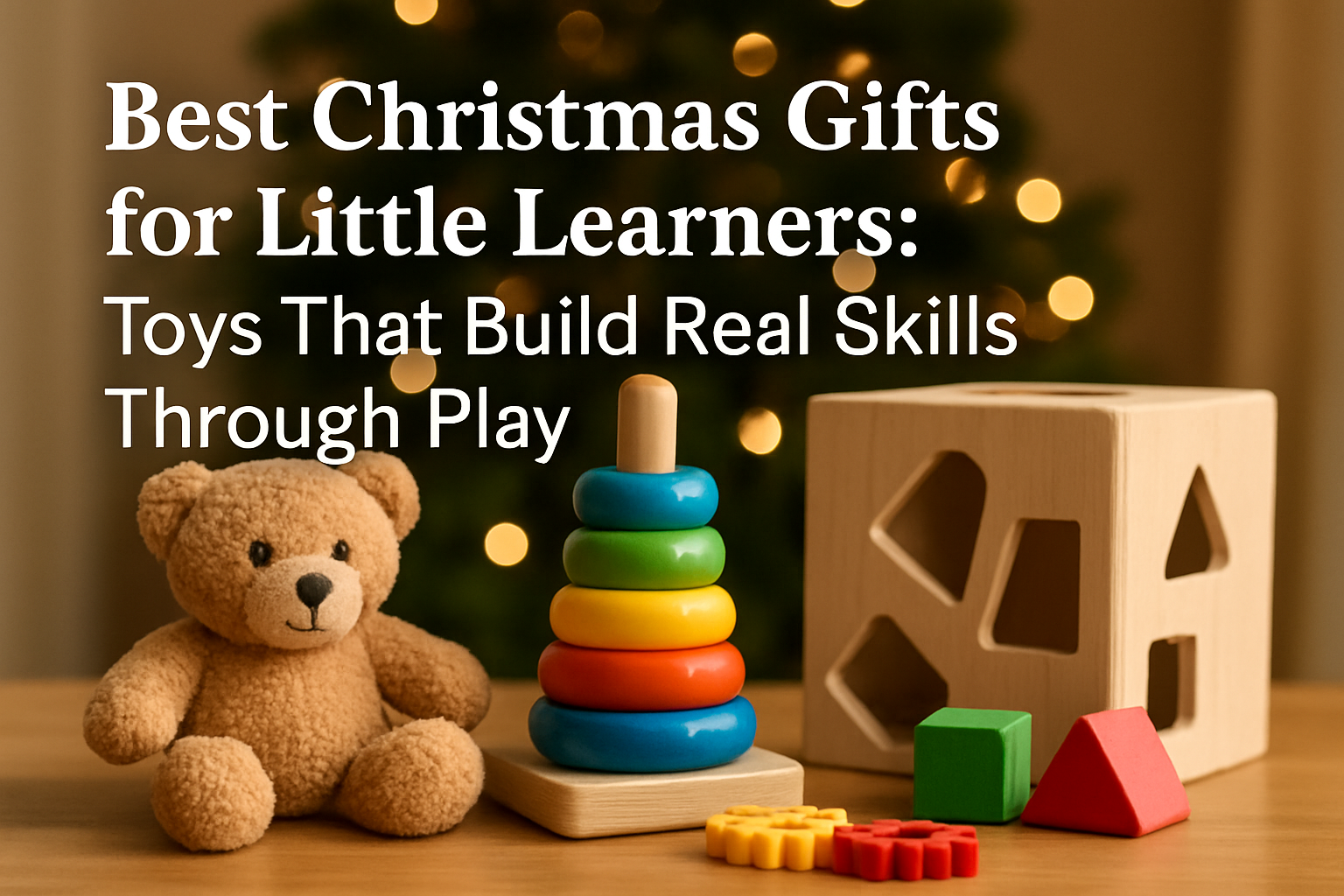

Play plays a vital role in the developmental journey of children. It is much more than just an entertaining activity; it serves as the foundation for growth in various dimensions—cognitive, social, and emotional. Through play, children are able to experiment, explore, and experience the world around them, which is essential for their overall development. This form of active engagement stimulates curiosity and fosters creativity, allowing children to learn important life skills.
Research consistently shows that play is integral to childhood development. Engaging in play activates parts of the brain responsible for problem-solving and critical thinking. It enables children to practice skills that will serve them throughout their lives. As they navigate imaginary scenarios or construct their own games, kids learn to think flexibly and adapt to new situations. This cognitive growth is fundamental, as it lays the groundwork for future academic success and everyday decision-making.
Moreover, play enhances social skills, providing children with the opportunity to interact with peers, negotiate roles, and learn conflict resolution. Through cooperative play, kids develop empathy and the ability to understand others' perspectives. This interaction is critical for forming strong relationships and building emotional intelligence. By engaging with others in a playful context, children cultivate the skills necessary to communicate effectively and work collaboratively, both of which are vital for success in school and beyond.
In essence, play is a multifaceted tool in a child’s learning repertoire. It nurtures cognitive abilities while simultaneously fostering emotional resilience and social competence. By recognizing the significance of play in learning, caregivers and educators can better appreciate the value of toys and activities that promote these experiences, ultimately enriching children’s developmental outcomes.
Selecting educational toys is more than just choosing something that will keep children entertained; it's about fostering growth and development. The right educational toys can significantly enhance a child's learning experience, addressing key areas such as skill development and age appropriateness.
When considering educational toys, it's essential to prioritize those that promote fine motor skills and hand-eye coordination. Toys designed for these purposes often require children to manipulate small pieces, engage in construction activities, or participate in interactive play that demands the use of their hands. Activities like stacking blocks, threading beads, or playing with building sets can significantly improve a child's dexterity. These experiences not only aid in the development of these crucial motor skills but also enhance cognitive engagement, as children learn to navigate spatial relationships and movement.
Beyond fine motor skills, the best educational toys also encourage problem-solving and critical thinking. Toys that present challenges, such as puzzles or games that require strategy, compel children to think creatively and develop their reasoning abilities. The process of trying to fit pieces together in a puzzle or finding solutions to a game's challenges fosters independent thinking. This kind of play allows children to experiment with different strategies and learn from their mistakes in a safe environment, equipping them with essential life skills that extend beyond the toy box.
Moreover, discussing the developmental implications of such toys emphasizes their educational aspect. For example, when children engage with toys that require them to build or create, they are not only enhancing their motor abilities but are also learning patience, perseverance, and the importance of goal-setting. By selecting toys that provide these types of learning opportunities, parents can cultivate a rich learning environment at home that complements formal education.
Another vital criterion for selecting educational toys is age appropriateness. It is essential to consider toys that align with a child's developmental stage. For instance, infants and toddlers often benefit from toys that encourage sensory exploration, such as soft blocks or simple shape sorters, which stimulate visual and tactile senses. As children grow, so do their cognitive and physical abilities, which necessitates a transition to more complex toys that challenge them intellectually and physically.
Understanding safety standards for toys is equally important when assessing age appropriateness. Parents should select toys that comply with safety regulations to minimize risks such as choking hazards or toxic materials. Many reputable toy manufacturers adhere to stringent safety guidelines, and toys are often labeled with age recommendations based on these standards. This labeling allows caregivers to make informed choices, ensuring that the toys selected are not only educational but also safe for the intended age group.
Furthermore, age-appropriate toys often cater to the interests and abilities of children at various stages. They provide a sense of accomplishment as children master new skills, reinforcing their self-esteem and motivation to learn. Engaging with age-suitable toys also promotes social skills when children play together, as they navigate teamwork and communication during shared activities. In conclusion, selecting educational toys that focus on skill development and are appropriate for a child's age ensures a positive, impactful play experience that contributes to their overall growth and learning journey.
Creative play toys are instrumental in nurturing a child's imagination and self-expression. Art supplies, such as crayons, paints, and clay, allow children to explore their creative instincts. These tools encourage free expression, enabling children to communicate their feelings and ideas visually. Engaging with art fosters skills like color recognition, hand-eye coordination, and fine motor skills. When children create, they not only develop artistic abilities but also gain confidence in their individuality.
Building sets serve as another vital category of creative play toys. These toys enhance spatial awareness and problem-solving skills by challenging children to think critically about how different pieces fit together. As children construct various structures, they learn about balance, symmetry, and geometry in a hands-on and intuitive manner. This type of play promotes cognitive development as children experiment with design and function, leading to a deeper understanding of the physical world around them.
In addition to artistic expression, creative play toys like puppets and costumes allow for role-playing scenarios. This imaginative play not only entertains children but also develops social skills and empathy. Through role-play, they learn to navigate social interactions, understand different perspectives, and communicate with their peers effectively. Overall, engaging in creative play offers children endless opportunities for exploration and personal growth, making it an essential component of learning.
STEM-focused toys play a vital role in introducing children to fundamental concepts in science, technology, engineering, and mathematics. Toys designed to introduce basic engineering principles, such as building kits or simple machines, allow children to engage in hands-on experimentation. Through building and modifying structures, kids gain insight into mechanics and design processes. This experiential learning nurtures critical thinking and analytical skills, which are essential in our increasingly technology-driven world.
Mathematical games also form an integral part of STEM-focused toys. These games often use engaging formats, such as puzzles or board games, to teach concepts like counting, addition, and subtraction. When children play these games, they practice mathematical thinking in a fun context, enhancing their logical reasoning abilities. Such toys not only teach math skills but also encourage collaborative problem-solving, as children often play these games with peers or family members.
Furthermore, STEM-focused toys can help bridge the gender gap in these fields by making the subjects more approachable and enjoyable for all children. When children see learning as a fun and interactive experience rather than a chore, they are more likely to develop a lasting interest in these critical areas. Consequently, fostering a love for STEM through age-appropriate toys sets the groundwork for lifelong skills and curiosity about the world of science and technology.
Interactive learning toys have revolutionized the way children engage with educational content. Digital tablets and devices specifically designed for educational purposes offer a variety of interactive experiences that cater to different learning styles. These devices can introduce subjects like language arts, math, and science through engaging games and challenges. By utilizing touch interfaces and interactive buttons, children find learning exciting and relevant, fostering a love for education from an early age.
Puzzles and games that offer interactive learning experiences are also essential tools in a child's development. These toys encourage critical thinking and problem-solving as children navigate through challenges to achieve goals. Puzzles often involve recognizing patterns or completing images, while games might require strategy and logic. The interplay between fun and learning is crucial, as children are more likely to absorb information when engaged in enjoyable activities.
Moreover, interactive learning toys often promote social skills as children play collaboratively. When working together on tasks, they learn to communicate, negotiate, and share ideas with one another. This interactive approach not only enhances cognitive skills but also builds emotional intelligence, enabling children to relate better to their peers. By combining fun with educational value, interactive learning toys play a pivotal role in fostering a supportive learning environment for children.
When it comes to gift-giving, determining a suitable budget is essential. Setting a realistic financial limit helps in narrowing down options and ensuring the gift remains thoughtful without causing financial strain. For educational gifts, consider the long-term value they provide against their initial cost. For example, items that promote learning and development often serve a purpose well beyond the immediate moment, making them a worthwhile investment. An effective strategy is to categorize potential gifts based on age appropriateness and developmental benefits, which aids in creating a balanced approach to spending.
While quality is important, it's equally essential to maintain affordability in toy selection. There are numerous beloved educational gifts that do not have to break the bank. One can explore options that strike a balance between high-quality educational experiences and reasonable prices. This involves researching various types of toys, books, or games that encourage skills development but do not necessarily carry a high sticker price. Consider prioritizing gifts that offer multiple uses or opportunities for learning, as these items can provide extended value over time.
In addition to balancing quality with affordability, consider seasonal sales and promotional events as opportunities to acquire gifts within budget without sacrificing quality. It's helpful to make a list of desired educational gifts ahead of time and monitor them for price changes. This not only aids in effective budgeting but may also allow for the procurement of gifts during times when prices are lower. By being proactive and informed, gift-givers can make confident choices that reflect both their financial constraints and a commitment to supporting the recipient's growth.
The way a gift is presented can significantly enhance the excitement surrounding its unwrapping. Creative wrapping ideas, such as using colorful paper, unique fabric, or even themed boxes, can create a memorable experience for the recipient. Consider incorporating layers into the presentation, such as placing smaller items in a larger gift box, which adds an element of surprise. Customizing the wrapping to fit the occasion or the likes of the recipient makes the gift feel even more special. Furthermore, opt for sustainable wrapping alternatives to make the gifting experience eco-friendly, which can enrich the overall sentiment of the present.
Personalized touches significantly contribute to the value of the gift experience. Adding a heartfelt note or letter, sharing a personal anecdote related to the gift, or including a small handmade item as a complement can elevate the overall impact. These elements not only convey the thoughtfulness behind the gift but also strengthen the emotional connection between the giver and the recipient. It is often these small gestures that make a gift unforgettable, reinforcing the bond and thought that went into the selection process.
Moreover, consider the setting of the gift presentation. Creating a special moment when giving the gift can turn an ordinary exchange into an extraordinary experience. This could involve gifting in a celebratory setting, such as a birthday party or family gathering, where shared anticipation enhances the joy of receiving. Alternatively, a quiet moment can also work wonders, with personal conversations accompanying the gift to showcase its importance. By focusing on presentation and personalization, the act of giving transforms into an experience that resonates deeply with both the giver and the recipient.
Choosing the right educational gifts for children can significantly impact their development and learning. These thoughtful selections can foster a love for learning, enhancing cognitive abilities and critical thinking skills. Educational toys stimulate creativity, problem-solving, and social interaction among children. By opting for gifts that emphasize educational value, parents can support their children's growth in a fun, engaging manner. The benefits of learning through play extend beyond mere entertainment; they include the development of essential life skills that children carry into adulthood.
Play-based learning is a powerful method that engages children and promotes retention of knowledge. When children are allowed to explore and interact with their environment through play, they develop key cognitive and emotional skills in a natural way. Research consistently shows that play-based approaches lead to better educational outcomes. This type of learning encourages collaboration, communication, and critical thinking. Additionally, the joy that comes from play fuels children's motivation to learn and discover new concepts, leading to a deeper understanding that is often lacking in more traditional forms of education.
Parents play a vital role in maximizing the benefits of play by actively engaging with their children during these experiences. Shared playtime not only strengthens the parent-child bond but also allows parents to guide and observe their children's learning processes. Encouraging questions, exploring new ideas together, and celebrating small victories can create a rich learning environment. The long-term benefits associated with learning through play are immeasurable. Children who are supported in their play-based learning journey often exhibit greater confidence and an intrinsic motivation for knowledge, laying the foundation for lifelong learning habits. Embracing this approach can transform everyday moments into opportunities for growth and development.



Introduction to Learning Through PlayImportance of Play in LearningPlay plays...
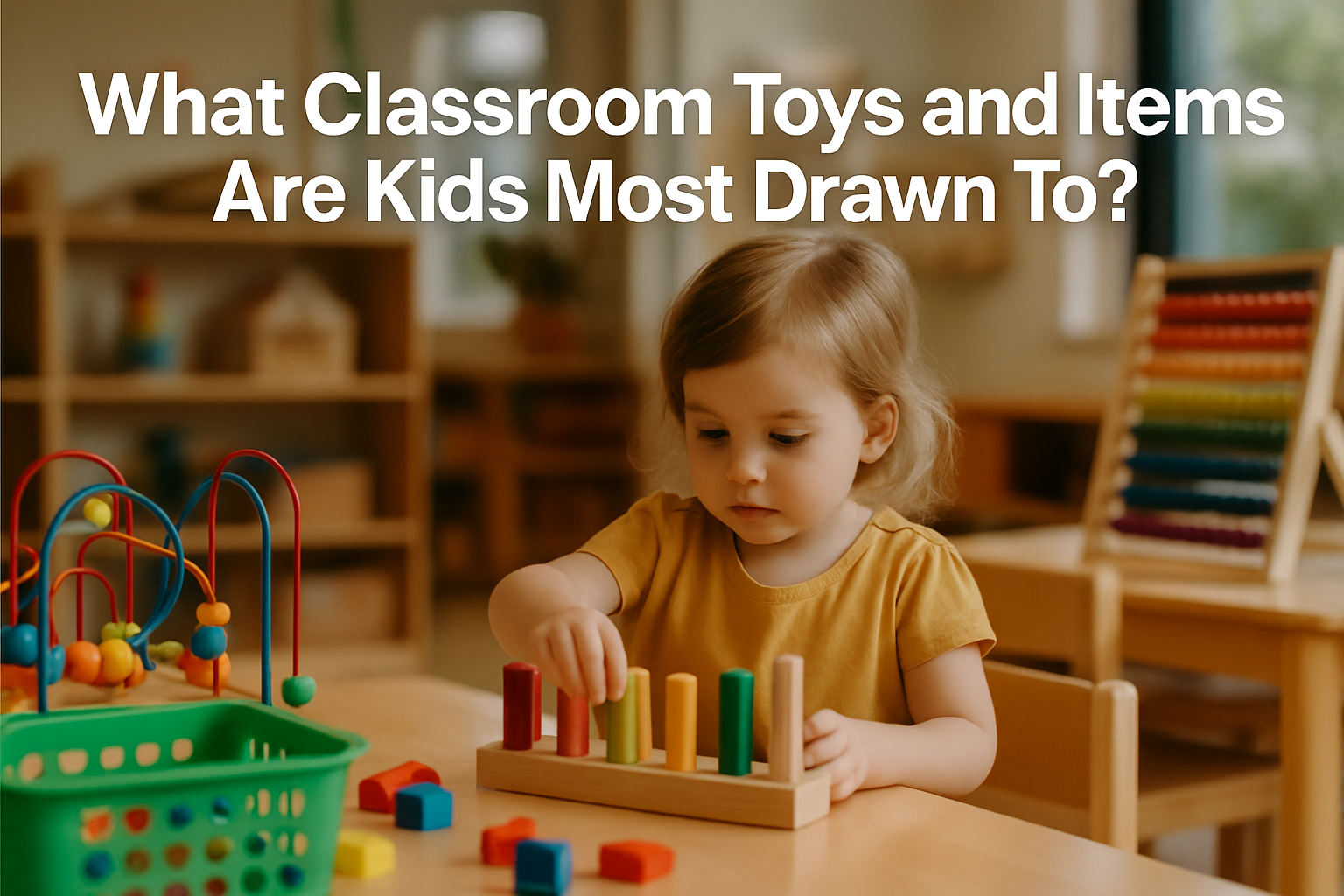

Introduction to Learning Through PlayImportance of Play in LearningPlay plays...